

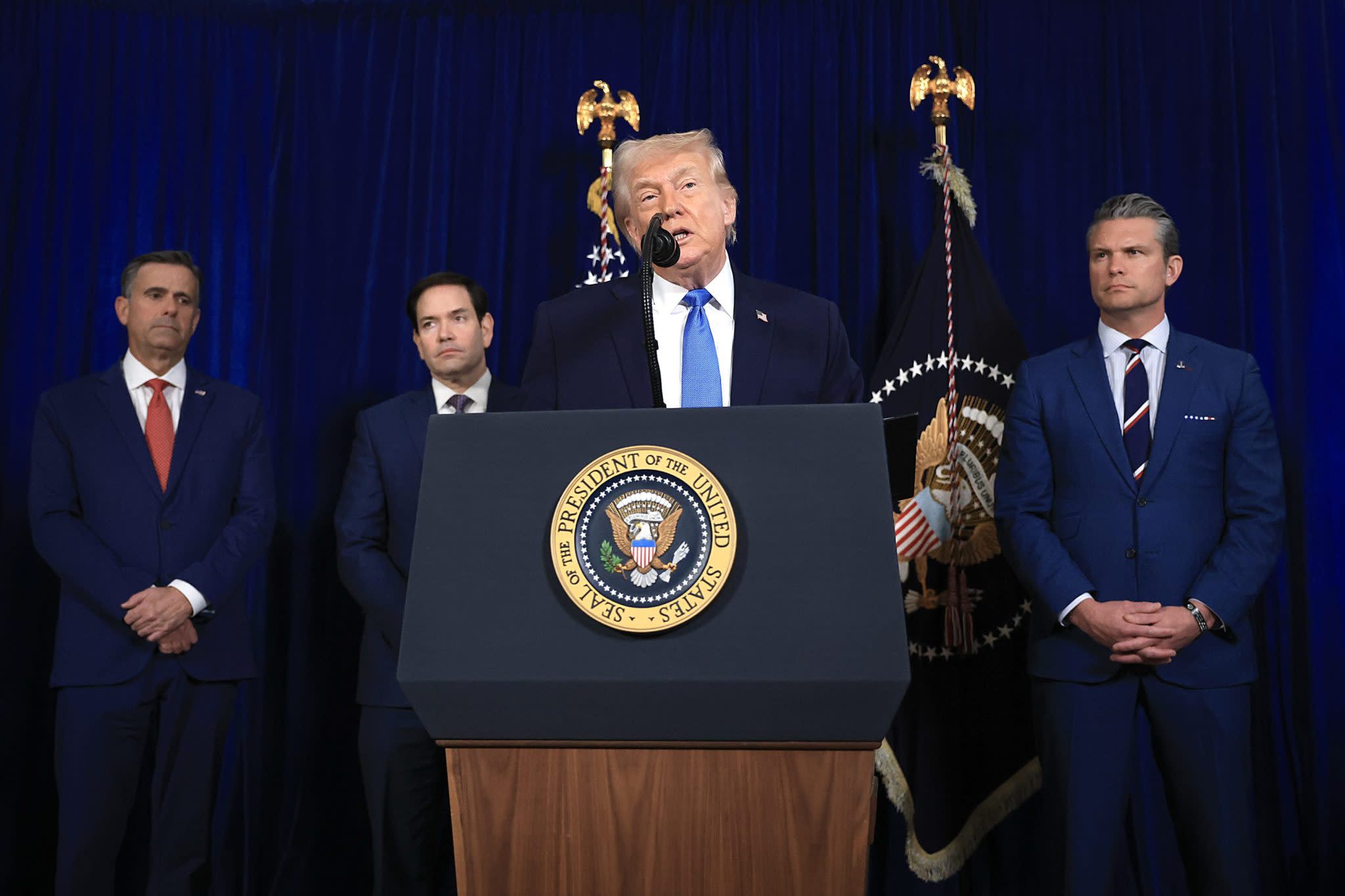
The predawn hours of a recent Saturday saw an extraordinary military operation unfold in Venezuela, culminating in the capture of President Nicolás Maduro and his wife, Cilia Flores. This swift action, executed by a combined force of U.S. Marines, Air Force, and the Army’s Delta Force, alongside FBI agents, involved 150 aircraft and concluded in under 30 minutes without a single casualty. They were reportedly taken from their residence within the heavily fortified Fort Tiuna military complex, marking an abrupt end to Maduro’s contentious leadership. This event immediately prompted President Trump to declare at a press conference that the United States would now be “running Venezuela,” asserting that reinstated oil reserves would offset the costs of any American occupation.
Maduro’s removal has been met with a complex reaction, particularly among business leaders with interests in Latin America. While his regime was widely characterized by corruption, the undermining of democratic processes, and policies that led to an exodus of 8 million refugees and widespread impoverishment in a resource-rich nation, the manner of his ouster presents a delicate situation. The immediate aftermath has prompted a period of reassessment for corporate entities operating in the region, as the geopolitical landscape shifts dramatically.
For many corporate leaders, the temptation to celebrate Maduro’s downfall is palpable given the challenges he posed to international business and human rights. However, a more measured approach is being advised. The sentiment among many is that while the specifics of the diplomatic and legal ramifications will undoubtedly be debated, U.S. business leaders must carefully navigate their public statements. The goal is to avoid any perception of complicity in what could be viewed as a governmental overthrow driven by commercial interests, thereby preserving global trust in their motives.
The cautious stance extends to the broader implications for international relations and the precedent such an intervention might set. The argument is made that a public display of jubilation by American CEOs could inadvertently reinforce narratives that portray the U.S. action as solely economically motivated. This could undermine the stated goals of promoting democracy and stability, potentially creating long-term challenges for American businesses abroad. The wisdom of “less is more,” often attributed to architect Ludwig Mies van der Rohe, seems particularly relevant in this context, suggesting that restraint in public commentary is prudent.
The swift military action, while successful in its immediate objective, opens a new chapter for Venezuela and its relationship with the global community. The promise of utilizing Venezuela’s oil wealth to fund the U.S. presence, as articulated by President Trump, highlights the profound economic stakes involved. However, the path forward requires careful consideration of both the immediate humanitarian needs and the long-term political stability of the nation. The international community, and particularly the business sector, will be watching closely to see how the U.S. navigates this complex transition and whether the stated objectives align with the actions taken on the ground.
