

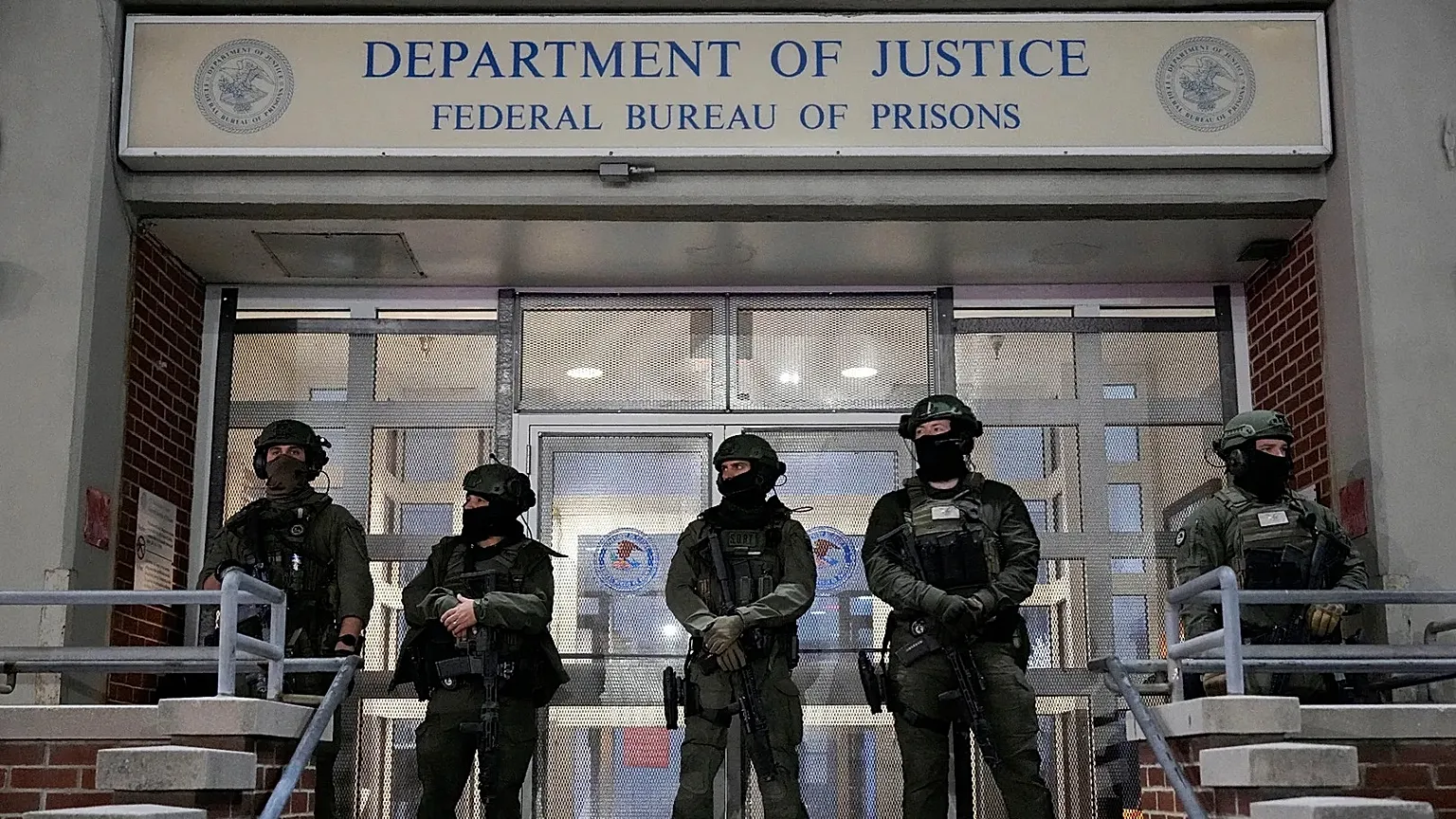
The news that Nicolas Maduro, the embattled leader of Venezuela, has been taken into detention at a facility in New York sent immediate shockwaves across the international community this morning. Reports began circulating just after 7:00 AM Eastern Time, indicating that Maduro, who has been the subject of a US indictment for narco-terrorism since 2020, was apprehended upon his unexpected arrival in American airspace. Details surrounding the circumstances of his presence on US soil remain scant, fueling intense speculation among diplomatic circles and legal experts alike.
Sources close to the matter, speaking on condition of anonymity due to the sensitivity of the unfolding situation, suggested that Maduro’s arrival was not part of any pre-arranged diplomatic visit or extradition agreement. Instead, preliminary accounts indicate a private, unscheduled flight originating from an undisclosed location in the Caribbean landed at a regional airport outside New York City. Upon disembarking, federal agents were reportedly waiting, executing the long-standing warrant issued by the Department of Justice. The sheer audacity of such a move, if truly unplanned by US authorities, raises profound questions about intelligence gathering and international protocols.
The implications for Venezuela are immediate and far-reaching. Caracas has yet to issue an official statement, but state-run media outlets have begun broadcasting a series of increasingly agitated reports, accusing the United States of a “hostile act” and a “violation of international law.” Within hours, demonstrations, some spontaneous and others seemingly organized, began to materialize in various Venezuelan cities. The political opposition, long fractured, now faces the complex challenge of navigating a leadership vacuum while simultaneously dealing with the potential for intensified internal unrest.
Internationally, reactions are sharply divided. Several Latin American nations, while often critical of Maduro’s regime, have expressed concern over the precedent this detention could set for heads of state, even those not recognized by all global powers. Russia and China, key allies of Maduro, are expected to issue strong condemnations, potentially escalating diplomatic tensions with Washington. Conversely, nations that have long advocated for a democratic transition in Venezuela, including many European Union members and some regional neighbors, are likely to view this development as a significant step, albeit one fraught with considerable risk.
Legal experts are now weighing in on the complexities of prosecuting a sitting, albeit widely contested, head of state. The 2020 indictment accused Maduro and several high-ranking officials of conspiring with FARC dissidents to “flood the United States with cocaine.” While the US does not recognize Maduro as Venezuela’s legitimate president, his detention on US soil presents a unique legal and political quandary. The process ahead will undoubtedly be lengthy and highly scrutinized, testing the boundaries of international law and sovereign immunity.
The detention of Nicolas Maduro in New York marks a pivotal moment in the ongoing geopolitical saga surrounding Venezuela. It is a development that promises to reshape the political landscape of the South American nation and send ripples through the delicate fabric of international relations, forcing a global reconsideration of how nations deal with leaders accused of grave crimes. The world watches now, anticipating the next move in a narrative that has suddenly, dramatically, shifted course.
