

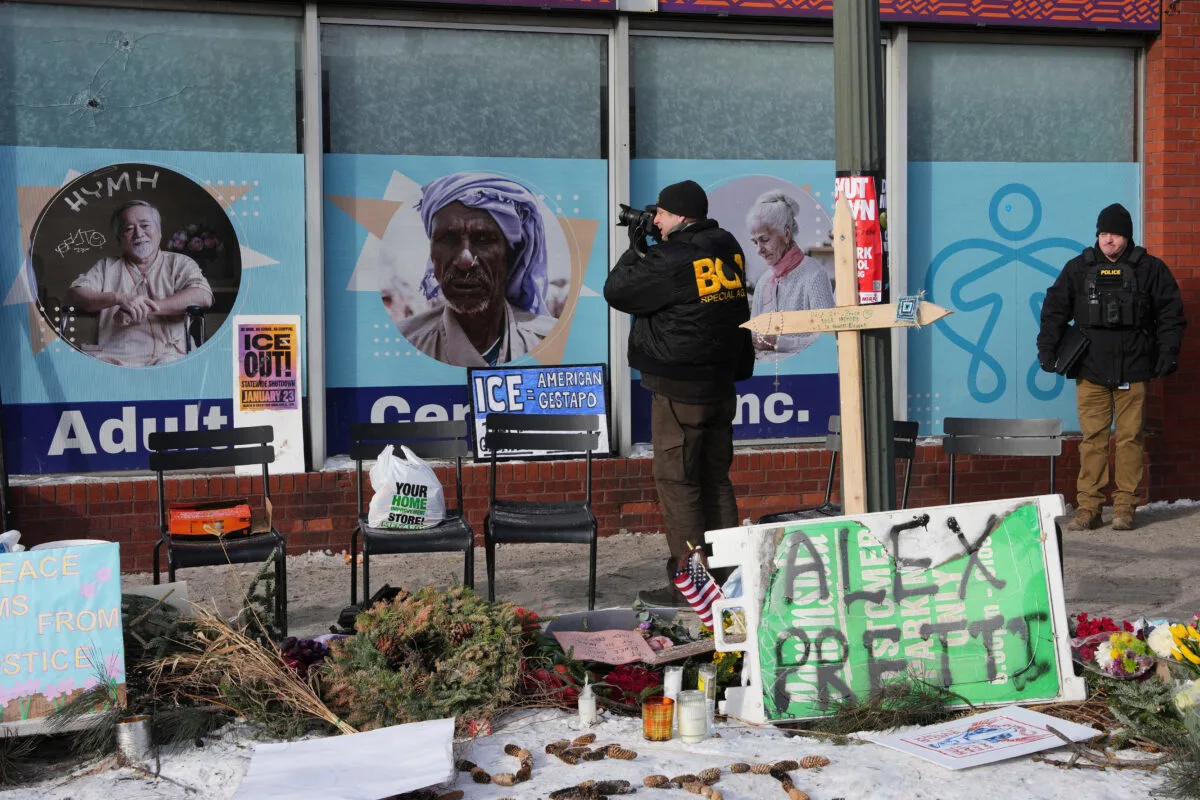
The death of American citizens at the hands of federal agents protesting their government has ignited a fierce debate across the nation, drawing sharp condemnation from figures like Vermont Governor Phil Scott. His assertion that such incidents are “not acceptable” underscores a growing public outcry, which intensified after a second deadly shooting in Minnesota this month. This sentiment reflects a broader unease regarding federal tactics and accountability, particularly as immigration enforcement operations have escalated.
Federal actions have come under increased scrutiny following reports of agents detaining young children, arresting U.S. citizens, and forcibly entering homes without judicial warrants. The third shooting in Minnesota this month, and the second to result in a fatality, prompted Governor Scott to call for a pause in immigration operations. He urged Congress and the courts to “restore constitutionality” if presidential action proved insufficient, directly challenging the aggressive enforcement strategies. Oklahoma Governor Kevin Stitt echoed these concerns, stating that “Americans don’t like what they’re seeing right now” and highlighting “deep concerns over federal tactics and accountability.”
This domestic friction emerges at a time when President Donald Trump faces mounting challenges on multiple fronts. What began with the successful capture of dictator Nicolas Maduro in Venezuela, a military operation that initially boosted the President’s standing, has quickly devolved into a series of contentious issues. Trump’s aggressive tariff policies, which had already strained relationships with businesses and close U.S. allies throughout 2025, saw cracks appear late last year. November elections brought the affordability crisis into sharp focus, while Congress, with near-unanimous votes, mandated the release of the Epstein files. The Justice Department’s heavily redacted release, and its failure to disclose all records by the deadline, only added to the simmering tensions.
The President’s feud with Federal Reserve Chairman Jerome Powell also reached a critical juncture. Powell’s defiant video statement, revealing a Justice Department criminal investigation into a renovation project at the central bank’s headquarters, drew swift backlash from lawmakers concerned about the Fed’s independence. Republican Senator Thom Tillis vowed to block any nominations to the Fed, including a potential replacement for Powell, until the case was resolved. This Republican rallying around Powell marked a significant deviation from the previously unified support for Trump, further complicating the President’s agenda.
Internationally, Trump’s assertive foreign policy has also encountered resistance. Following the Venezuela operation, his renewed insistence on acquiring Greenland, a semi-autonomous Danish territory, led to a standoff with European NATO allies. These nations deployed troops to Greenland, ostensibly to protect it from perceived threats from China and Russia, a move that angered Trump. He responded by threatening tariffs against these NATO countries unless they supported his bid for the island, triggering an existential crisis for the nearly 80-year-old defense pact. While frantic diplomacy at the World Economic Forum in Davos ultimately led Trump to back down on the tariffs, claiming a “framework” deal for U.S. access and ongoing negotiations for sovereignty over military base areas, the episode highlighted the fragility of international alliances under his administration.
The cumulative effect of these domestic and international pressures suggests a historic hinge moment, as political scientist Lee Drutman of the New America think tank observed. The President himself acknowledged the shifting landscape, telling the Wall Street Journal that his administration was “reviewing everything” regarding the Minnesota shooting and indicating a willingness to consider withdrawing immigration officers from Minneapolis. This potential retreat, particularly concerning an issue that has been a cornerstone of his platform, might signal an erosion of his political base. The growing chorus of criticism, from Silicon Valley workers to Minnesota-based CEOs and even within his own party, underscores a national mood of apprehension and a demand for accountability from federal agencies. The events of recent weeks indicate that even after a significant foreign policy victory, the administration faces a complex and increasingly challenging political environment.
