

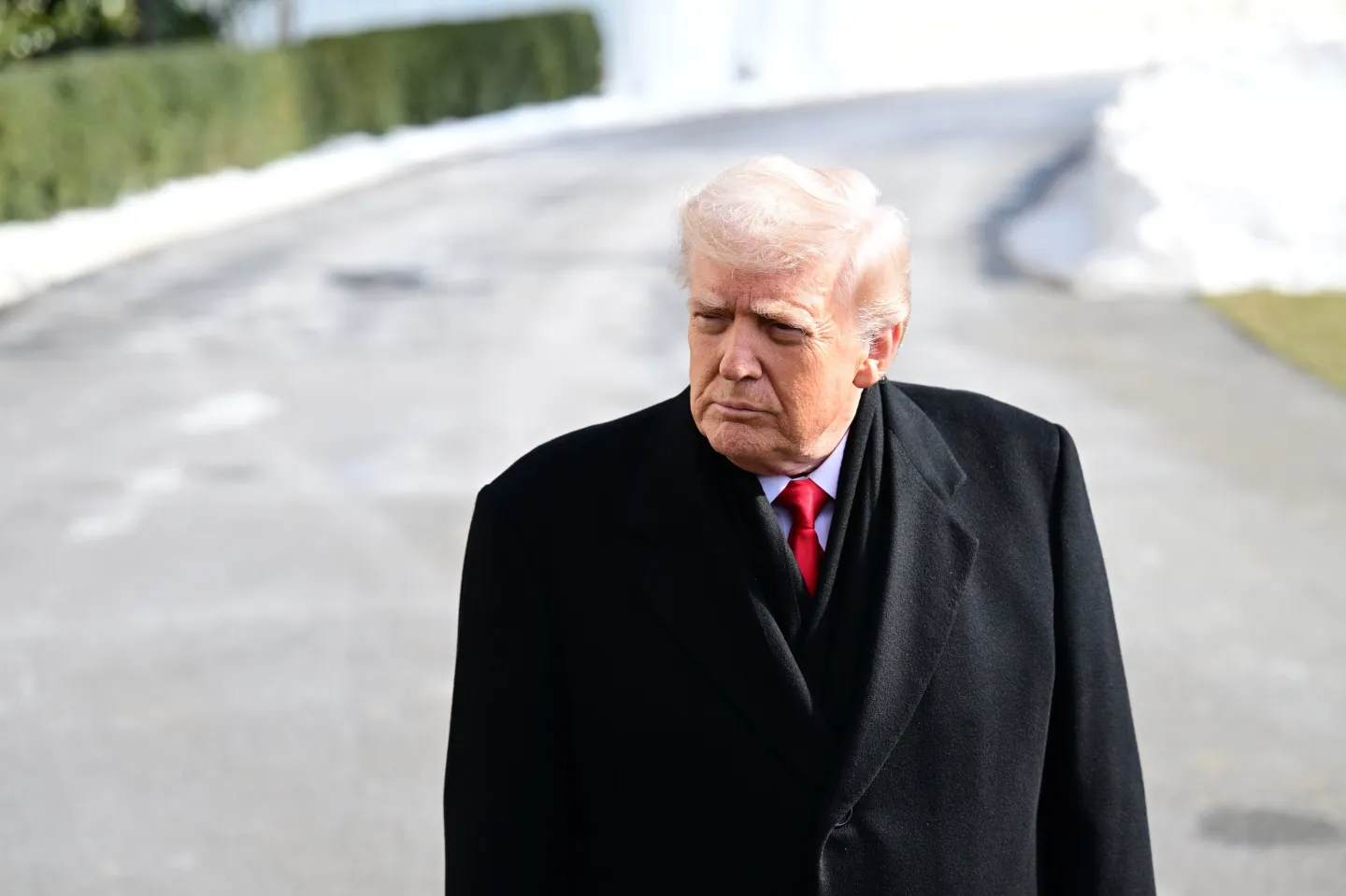
The cost of household goods and services increased by an average of $2,120 for American families in 2025, a figure derived from the year-on-year inflation rate, which stood at 2.7% according to the latest data from the Bureau of Labor Statistics. This increase occurred despite former President Trump’s campaign pledge to “end inflation.” The additional costs, analyzed by Senator Elizabeth Warren’s team at the Senate Banking, Housing and Urban Affairs Committee, reflect a continued upward trend in consumer prices.
Broken down, the analysis points to specific areas where families felt the pinch most acutely. Electricity bills, for instance, saw an average increase of $123 over the year, while grocery costs rose by approximately $150. These figures are based on the assumption that households maintained their purchasing patterns from the previous year. The broader economic context includes the Federal Reserve’s long-standing target of 2% inflation, suggesting that some level of price increase is considered a sign of a healthy economy.
A significant point of contention throughout 2025 revolved around the impact of tariffs. On April 2, President Trump implemented increased duties across nearly all nations, including existing trade partners, a move that became known as the Liberation Day tariffs. While many agreements were subsequently renegotiated, leading to lower levies than initially threatened, these still resulted in heightened costs for both American consumers and international trading partners. The administration, however, maintained that the feared “massive spike” in prices had not materialized, or that any increases were merely a “one-time adjustment,” as Treasury Secretary Scott Bessent described it.
Opponents, like Emma Hussey, a policy advisor to Senator Warren on the Banking Committee, argued that such “one-time” adjustments still represent a permanent increase for families already struggling financially. She emphasized that while policymakers might debate the nuances of inflation, families must contend with these higher costs directly. Senator Warren herself remarked that Trump’s economic agenda was “squeezing families already struggling to get by,” contrasting it with his promise of lower costs from “day one.” She highlighted that the consequences of these policies were evident in Americans’ monthly bills.
Perceptions of affordability have proven to be a complex issue for politicians. A 2024 study by David A. Steinberg, an associate professor at John Hopkins University, indicated that merely prompting individuals to consider inflation negatively impacted approval ratings for the Biden-Harris administration and diminished confidence in the Democratic Party’s economic leadership. This suggests that public sentiment regarding rising prices can significantly sway political fortunes, regardless of the underlying economic realities.
The Trump administration, however, showcased other economic indicators to counter criticisms regarding inflation. The tariffs, while contributing to higher prices, also generated substantial revenue, totaling $289 billion in 2025 alone. The White House promised to distribute some of this revenue back to the public in the form of $2,000 rebate checks, though the practical execution of this plan remained a subject of ongoing debate. Furthermore, the economy under Trump 2.0 experienced solid growth, with GDP increasing by 4.4% in the third quarter of 2025.
White House spokesman Kush Desai underscored these positive economic developments, stating that “Americans have objectively gotten better off since President Trump took office with inflation cooling, real wages rising, and economic growth accelerating—the exact opposite of what transpired under Joe Biden.” This statement reflects the administration’s broader narrative, emphasizing overall economic prosperity despite the specific increases in household expenditures. The debate over whether these gains offset the higher cost of living for individual families remains a central point of economic and political discussion.
