

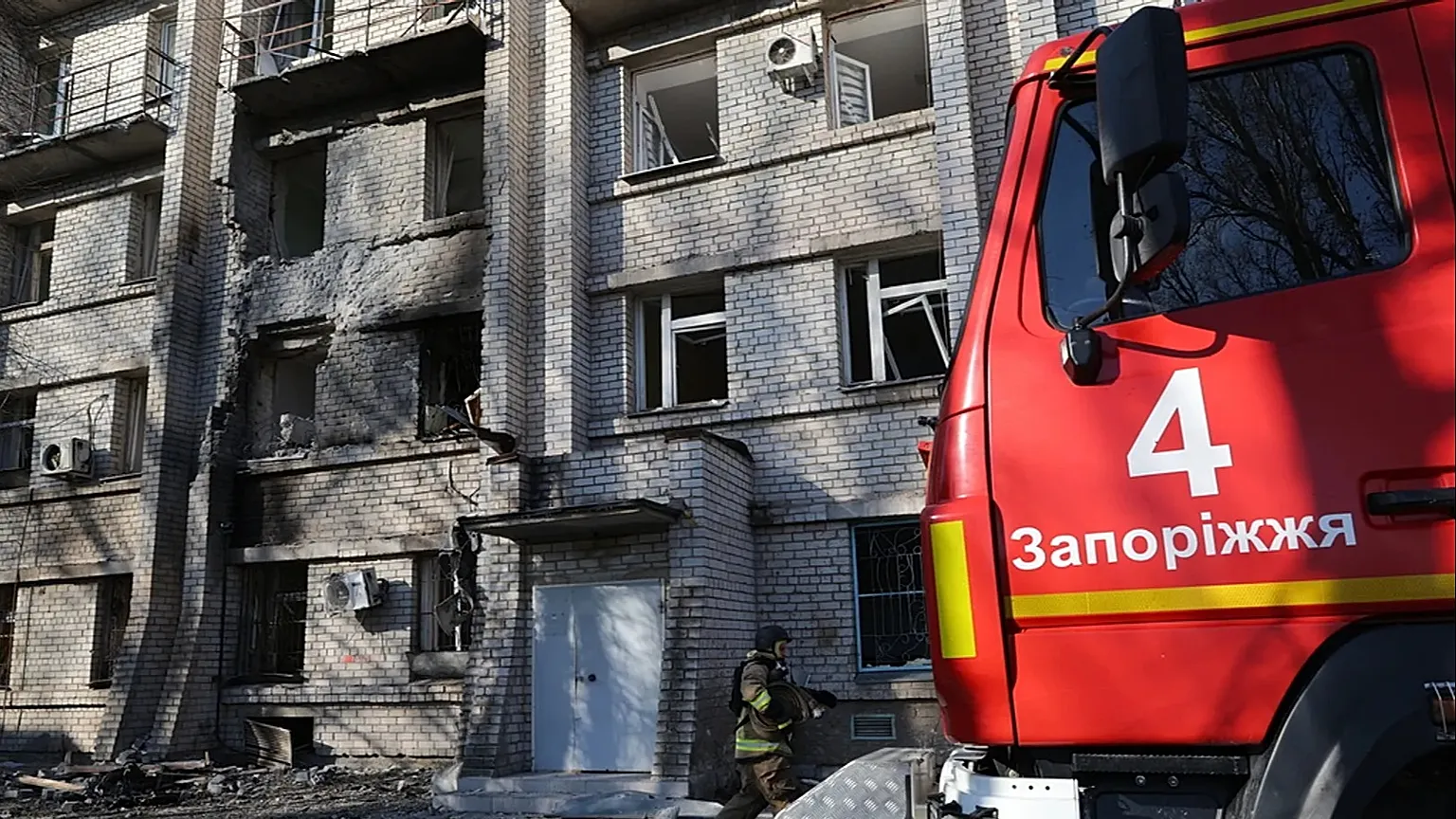
The remnants of what Ukrainian officials described as a significant Russian aerial assault continued to be assessed across multiple regions, with reports indicating numerous fatalities and injuries. This wave of attacks struck just as President Volodymyr Zelenskyy announced upcoming diplomatic engagements scheduled for February 4-5 in Abu Dhabi, a development that underscores the complex and often contradictory currents defining the ongoing conflict. The timing of these events highlights the persistent military pressure Ukraine faces even as its leadership seeks avenues for international dialogue and support.
Early assessments from Ukrainian authorities detailed strikes impacting civilian infrastructure and residential areas. Specific locations mentioned in initial reports included Kharkiv, the nation’s second-largest city, where emergency services were reportedly overwhelmed responding to multiple incidents. While precise figures remain under review, the initial casualty counts painted a grim picture, with local officials urging residents to remain vigilant and take shelter. These attacks, often involving a combination of missiles and drones, have become a tragic regularity, shaping daily life and complicating recovery efforts for communities across Ukraine.
President Zelenskyy’s planned visit to Abu Dhabi, the capital of the United Arab Emirates, marks a continuation of Ukraine’s diplomatic outreach to non-traditional allies and influential global players. While the specific agenda for these talks was not immediately disclosed, it is widely anticipated that discussions will center on securing further financial aid, humanitarian assistance, and potentially exploring avenues for peace initiatives, however remote they may seem given the current battlefield realities. The UAE has maintained a nuanced position regarding the conflict, balancing its economic interests with calls for de-escalation, making it a pivotal location for such high-level discussions.
The juxtaposition of intense military aggression and diplomatic overtures is not new in this conflict. Throughout the past two years, periods of intensified fighting have frequently coincided with concerted efforts to build international coalitions or negotiate potential ceasefires. This pattern suggests a strategy from both sides: for Russia, to maintain pressure and demonstrate military capability, and for Ukraine, to simultaneously defend its territory while garnering global support and isolating Moscow on the international stage. The human cost of this strategic interplay, however, remains devastatingly high.
International reactions to the latest strikes were swift, with several Western nations condemning the attacks and reiterating their commitment to supporting Ukraine. Calls for increased air defense systems for Ukraine are likely to intensify in the wake of these events, as Kyiv continues to emphasize the critical need for robust protection against Russian aerial bombardments. Meanwhile, the upcoming discussions in Abu Dhabi will be closely watched by international observers, eager to gauge any potential shifts in diplomatic momentum or commitments from key regional actors. The world continues to grapple with the multifaceted challenges posed by the conflict, where military actions and diplomatic maneuvers are inextricably linked, each influencing the other in a relentless cycle.
