

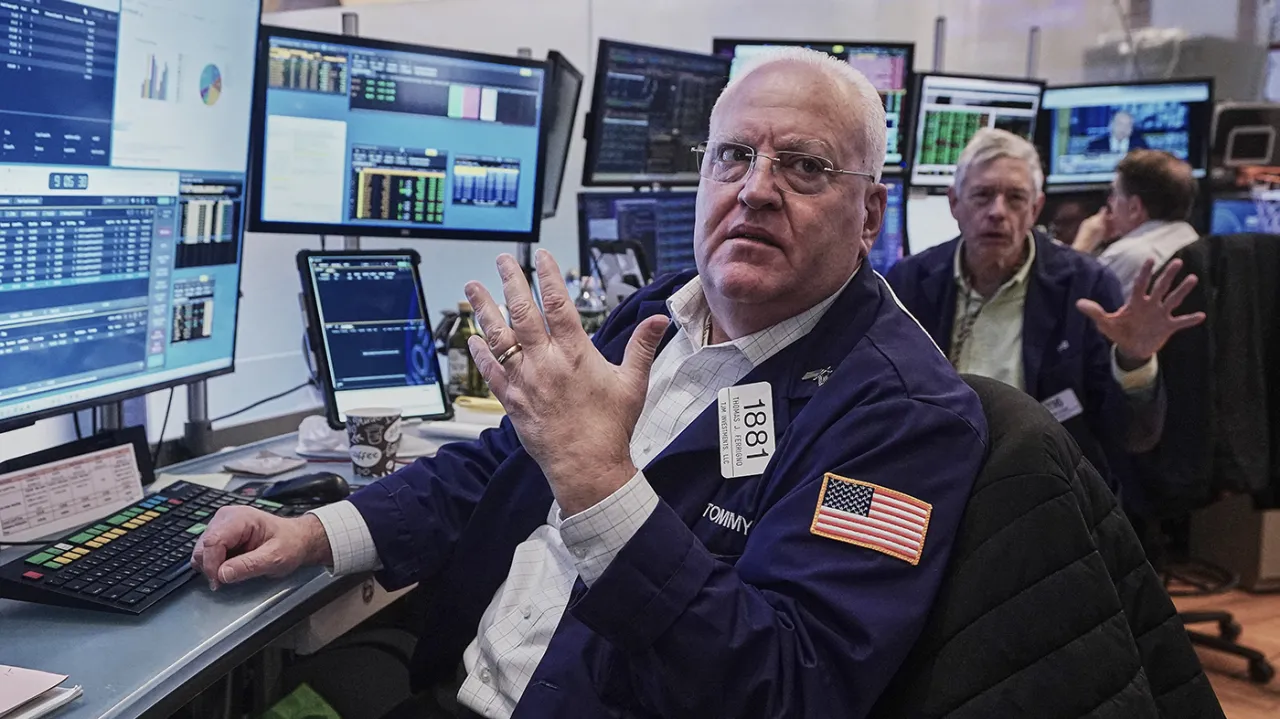
The trading floor, once a cacophony of human voices and frantic hand signals, now hums with the quiet efficiency of algorithms. This shift, accelerated by the rapid integration of artificial intelligence, has begun to fundamentally alter the landscape of Wall Street, prompting a reassessment of traditional investment strategies and risk models. Concerns are mounting among seasoned financial professionals regarding the speed and scope of these changes, particularly as AI’s influence extends beyond mere data analysis to active market participation.
Algorithms driven by sophisticated AI are now executing trades, identifying arbitrage opportunities, and even generating market sentiment reports with unprecedented speed. This has led to a noticeable compression of trading margins in certain sectors and an increase in market volatility, as machines react to information instantaneously, often before human analysts have fully processed it. The fear isn’t simply about job displacement, though that remains a palpable underlying anxiety, but rather a deeper apprehension about understanding and controlling a market increasingly dictated by non-human intelligence. Veteran traders who have spent decades honing their intuition now find themselves competing against systems that operate without emotion or fatigue, capable of processing petabytes of data in milliseconds.
Moreover, the rise of AI presents new challenges in risk management. The interconnectedness of these AI systems means that a glitch or an unforeseen interaction between algorithms could trigger cascading effects across global markets. The “flash crash” events of the past, often attributed to algorithmic trading, could potentially become more frequent and severe as AI systems grow more complex and autonomous. Regulators, still grappling with the intricacies of traditional financial markets, are now faced with the daunting task of overseeing a rapidly evolving digital ecosystem where the lines between human and machine decision-making are increasingly blurred. This necessitates an entirely new framework for market surveillance and intervention.
Investment firms are pouring significant capital into developing proprietary AI tools, creating an arms race among financial institutions. Those lagging in AI adoption risk being left behind, unable to compete with the speed and analytical power of their more technologically advanced rivals. This competitive pressure, while driving innovation, also contributes to the sense of unease. Smaller firms, in particular, face an uphill battle, as the cost of developing and maintaining cutting-edge AI infrastructure can be prohibitive, potentially leading to further consolidation within the industry. The barrier to entry, once measured in human capital and shrewd insight, is increasingly defined by computational power and algorithmic sophistication.
The impact extends beyond institutional trading to the retail investor as well. AI-powered robo-advisors are democratizing access to sophisticated portfolio management, but also introducing a new layer of complexity for individuals trying to understand how their investments are being managed. Explaining the rationale behind an AI’s investment decision can be challenging, especially when market movements defy conventional logic. This new era demands a greater understanding of how these systems operate, not just from those building them, but from everyone participating in the market, from the largest hedge funds to individual savers planning for retirement. The transition is not merely technological; it is a profound cultural shift for Wall Street.
