

New York City Mayor Zohran Mamdani’s ambitious plan to launch city-owned supermarkets, dubbed “NYC Groceries,” represents a significant departure from traditional urban policy. The initiative, aimed at tackling high food prices and addressing “food deserts” across the boroughs, proposes establishing five taxpayer-funded stores, one in each borough, with the first two slated for Hunts Point in the Bronx by 2027 and East Harlem by 2029. This strategy directly challenges the private grocery market, a move rarely seen at the municipal level, particularly after past attempts at city-backed enterprises in other sectors have largely faltered.
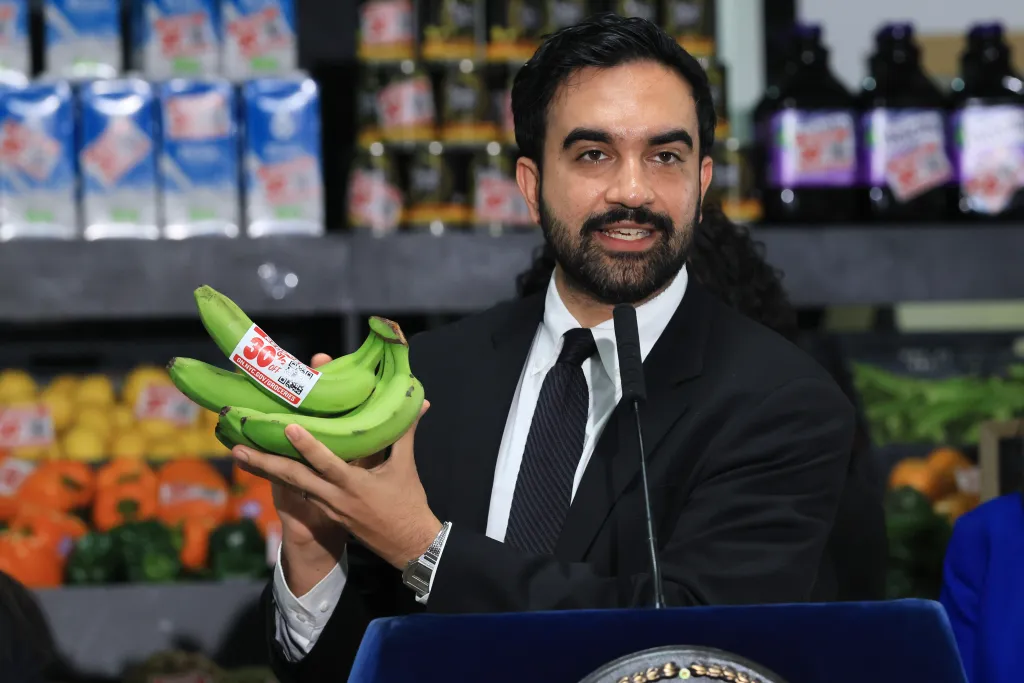
The core of Mamdani’s proposal is to offer a standardized “core basket” of approximately 20 essential products, including meat, seafood, milk, and eggs, at prices averaging 30% below current retail rates. The city’s Economic Development Corporation (EDC) would oversee the project, contracting private operators to manage the stores, handle sourcing, and implement the mandated discounts. These operators would receive “affordability payments” to offset the losses from selling goods below market value, and would be exempt from rent and property taxes. This model seeks to provide an estimated $90 monthly savings, or $1,000 annually, for participating residents.
However, the initiative faces considerable skepticism regarding its long-term viability and potential impact on the existing grocery landscape. Critics argue that subsidizing city-run stores could distort the market, potentially forcing smaller, private grocers out of business. Food retail operates on notoriously thin margins, often around two cents per dollar in sales. A 30% price reduction on key items, if matched by existing stores, could lead to significant losses, especially for those unable to compete with tax exemptions and direct payments. This could inadvertently expand food deserts as private businesses, already struggling, shutter their doors.
The argument that the private market has failed to deliver affordable options is also being challenged. Experts like Mitchell Korbey, chair of the zoning group at Herrick, Feinstein, LLP, and E.J. Antoni, an economist at the Heritage Foundation, contend that New York City’s own antiquated zoning regulations are a primary cause of high food prices and limited options. A 1970s zoning law, originally intended to protect industrial areas, effectively bans large retail stores over 10,000 square feet in “M” (manufacturing) zones without a special permit and City Council approval. These M zones often possess the large spaces and ample parking ideal for big-box supermarkets. The process for obtaining such approvals is described as prohibitively expensive and complex, deterring major chains from establishing a presence in areas where they are most needed.
Indeed, New York City has seen a gradual shift towards larger format grocery stores since the mid-1990s, when a 40,000-square-foot Fairway opened in Harlem, paving the way for national and international chains. Today, companies like Whole Foods, Trader Joe’s, Stop & Shop, Aldi, and Lidl operate numerous locations across the city, offering wider selections and often better prices than the smaller bodegas and independent stores that once dominated the market. Yet, many of these larger stores tend to concentrate in higher-income neighborhoods, leaving areas like the South Bronx, Central Brooklyn, and parts of Staten Island still underserved. The presence of numerous drugstores dedicating significant space to packaged foods underscores the existing void for fresh groceries in these areas.
The mayor’s plan, while addressing a clear need for affordable food, does not tackle the underlying regulatory barriers that prevent private sector solutions from flourishing. Instead, it introduces a system that could transfer the cost of discounts to taxpayers and create a black market for subsidized goods, as seen in other global examples of price controls. The history of city-backed enterprises, such as Chicago’s abandoned city-owned emporium plans and Kansas City’s failed taxpayer-funded supermarket, offers cautionary tales. Mamdani’s initiative will test whether a municipal government can defy these historical trends and successfully compete with, or reshape, the fundamental forces of the market.
