

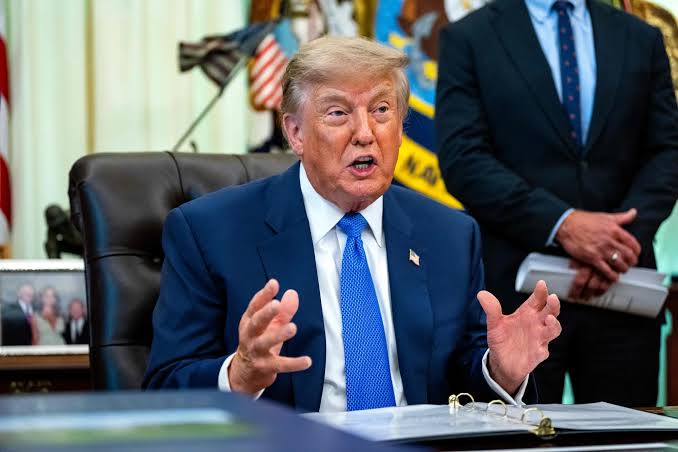
The White House recently announced a significant escalation in trade policy, imposing 100% tariffs on drones imported from China. This move, championed by President Donald Trump, is set to take effect in July and represents a substantial hike from the previous 25% duty on these products. The administration frames this decision as a critical step to safeguard national security and promote domestic manufacturing, particularly targeting what it describes as unfair trade practices and intellectual property theft by Beijing. This dramatic increase in import costs for Chinese-made unmanned aerial vehicles is poised to reshape the drone market, affecting everything from recreational users to agricultural operations and industrial inspections across the United States.
Industry observers quickly noted that the tariffs primarily target specific drone types, including those used for commercial and industrial purposes, rather than purely recreational models. The administration’s rationale hinges on concerns that Chinese-made drones, especially those from leading manufacturers like DJI, could pose data security risks or be exploited for intelligence gathering by the Chinese government. This geopolitical dimension adds another layer of complexity to an already strained economic relationship, pushing American companies to re-evaluate their supply networks and consider alternatives to their long-established reliance on Chinese production. The immediate impact will likely translate into higher prices for consumers and businesses, at least in the short term, as companies absorb the increased costs or pass them on.
Manufacturers and retailers operating within the drone sector are now grappling with the implications of this policy shift. For years, Chinese firms have dominated the global drone market, largely due to their cost-effective production and rapid innovation cycles. Shifting away from this established ecosystem will not be a simple task. Building out domestic manufacturing capabilities or finding alternative foreign suppliers involves significant investment, time, and the development of new logistical frameworks. Some American companies that rely on Chinese components for their own drone assemblies might also find themselves in a precarious position, facing higher input costs and potential disruptions to their production lines. The ripple effect could extend beyond just the drone hardware, impacting software, maintenance, and related services.
This latest tariff action is not an isolated incident but rather a continuation of broader efforts by the Trump administration to reconfigure global supply chains and reduce American economic dependence on China. Previous tariffs on a wide range of Chinese goods, from steel and aluminum to electronics, have already prompted some companies to diversify their manufacturing bases, moving operations to countries like Vietnam, Mexico, or back to the United States. The drone tariffs serve as a clear signal that the administration intends to maintain a firm stance on trade, prioritizing national security and domestic industrial capacity over immediate cost efficiencies. The long-term objective appears to be a more resilient and less vulnerable American supply chain, particularly in sectors deemed strategically important.
However, the effectiveness of such tariffs in achieving their stated goals remains a subject of ongoing debate among economists and trade experts. While tariffs can incentivize domestic production, they can also lead to retaliatory measures from trading partners, increase costs for consumers, and potentially stifle innovation if companies are forced to prioritize compliance over research and development. China’s response to these new tariffs will be closely watched, as Beijing has historically reacted to U.S. trade actions with its own countermeasures, further escalating the tit-for-tat dynamic. The global economy, already navigating various geopolitical uncertainties, now faces another significant challenge in the evolving trade relationship between the world’s two largest economies.
The move also raises questions about the future landscape of technological innovation and market competition. If American consumers and businesses face significantly higher prices for drones, it could dampen adoption rates or encourage the development of less sophisticated, domestically produced alternatives. Conversely, it could spur a new wave of American drone manufacturing, fostering a more competitive domestic industry. The ultimate outcome will depend on a complex interplay of market forces, government incentives, and the strategic decisions made by companies on both sides of the Pacific. As the July implementation date approaches, the drone industry braces for a period of significant adjustment and uncertainty.
