

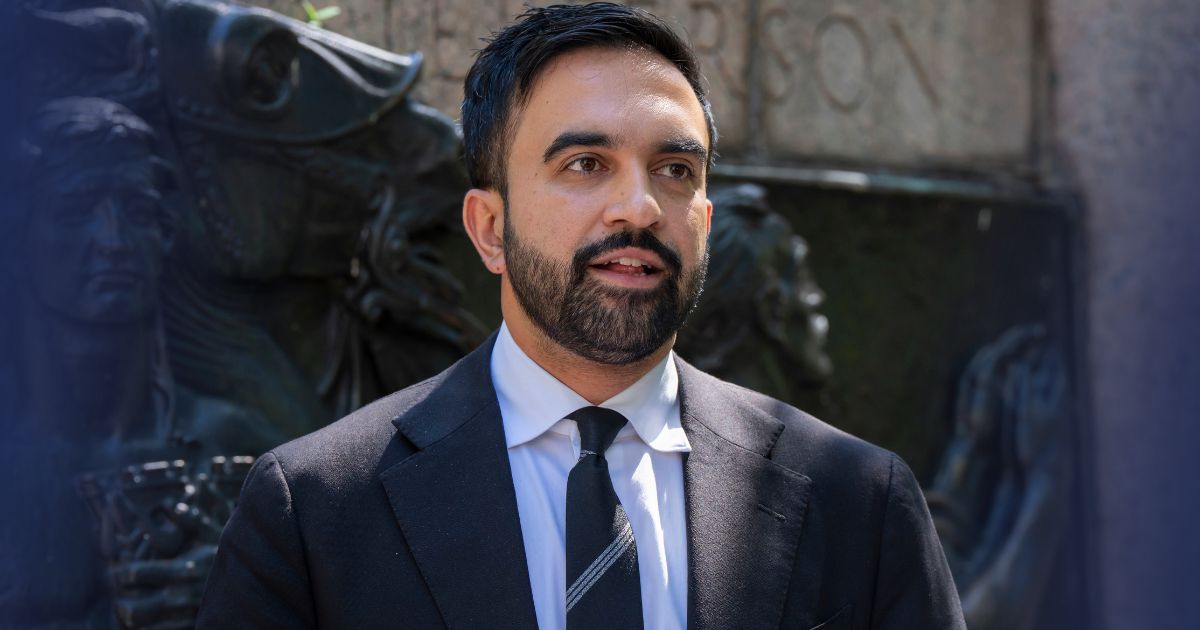
Baltimore’s City Hall, a grand edifice of marble and granite, often serves as a crucible for urban leadership, a place where idealism collides with the intractable realities of governing. It’s from this vantage point that Mayor Brandon Scott, a youthful but battle-tested leader, recently offered a candid piece of advice to New York City Council Member Zohran Mamdani. The progressive standard-bearer from Astoria, Queens, had sought Scott’s counsel on navigating the complex, often brutal, landscape of municipal power, particularly when one’s political convictions push against established norms. Scott’s message was direct, unvarnished, and steeped in the hard-won lessons of Baltimore: “Prepare to be lonely.”
Mamdani, known for his vocal advocacy on issues ranging from housing justice to police reform, found a kindred spirit in Scott, who himself rose through Baltimore’s political ranks on a platform of progressive change. Both men represent a new guard, eager to dismantle systemic inequities and challenge the status quo. Yet, as Scott explained, the path of a transformative leader is often paved with isolation. He recounted numerous instances where his efforts to enact significant reforms, particularly within the city’s deeply entrenched institutions, met with fierce resistance, not just from political opponents, but sometimes even from within his own party or administration. The mayor stressed that while the vision might be shared by many, the burden of execution, and the political fallout that often accompanies it, frequently falls squarely on the shoulders of the leader.
The conversation, which reportedly took place during a national gathering of municipal leaders, delved into the practicalities of governance. Scott highlighted the constant balancing act required to push a progressive agenda forward while maintaining the support necessary to govern effectively. He spoke of the need to build broad coalitions, even with those who might disagree on specific policies, and the strategic necessity of choosing one’s battles. For Mamdani, who operates in the equally cutthroat arena of New York City politics, Scott’s insights resonated deeply. New York, for all its progressive leanings, is a city of immense power structures and deeply entrenched interests, where even seemingly minor policy changes can ignite a firestorm of opposition.
Scott’s “loneliness” isn’t merely emotional; it’s a strategic reality. When a leader champions policies that disrupt powerful economic or political forces, those forces inevitably coalesce to resist. He cited his administration’s efforts to reimagine public safety in Baltimore, a city grappling with persistent violence, as a prime example. The push for alternative response models and a re-evaluation of policing tactics, while lauded by many community groups, faced skepticism and outright opposition from various quarters. Navigating these headwinds, Scott explained, often means making unpopular decisions, standing firm in the face of criticism, and accepting that not everyone will understand or support the long-term vision.
Mamdani, who has already experienced his share of political skirmishes in New York, particularly concerning issues like rent control and the city’s budget, absorbed Scott’s words as a cautionary tale and a blueprint. The Baltimore mayor’s advice wasn’t meant to dissuade, but to prepare. It was a recognition that true change rarely comes without significant personal and political cost. As both men continue their work in two of America’s most dynamic and challenging cities, Scott’s stark counsel serves as a potent reminder that the pursuit of a more equitable urban future demands not just vision, but an unshakeable resolve and a willingness to walk a path that can, at times, feel profoundly solitary.