

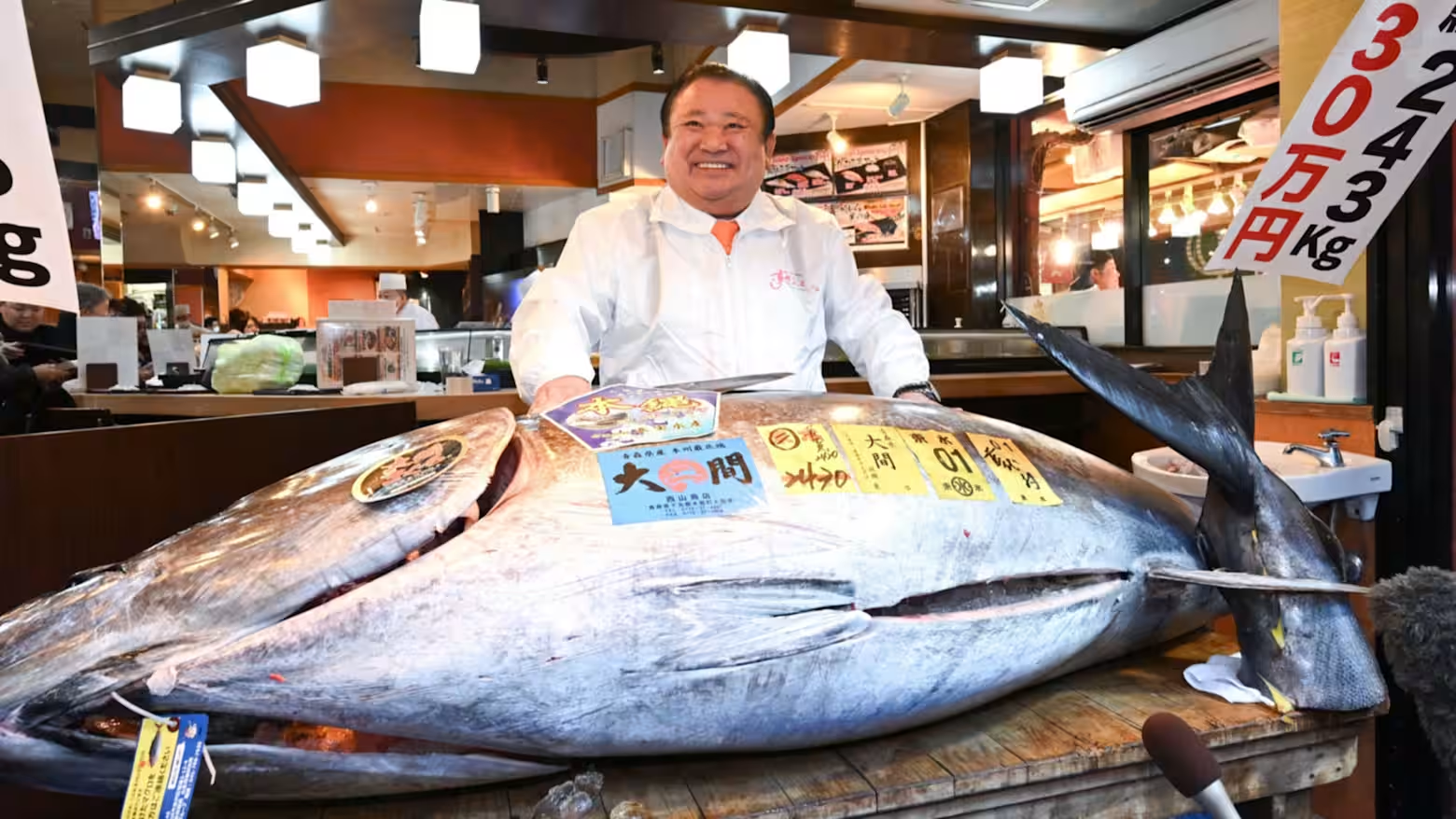
The predawn chill of Tokyo’s Toyosu fish market on New Year’s morning often sets the stage for a spectacle, but the first tuna auction of 2026 delivered a drama that resonated far beyond the usual brisk bids. This year, the top tuna, a prized catch, fetched an astonishing 510.3 million yen, approximately $3.2 million, a figure that not only shattered previous records but also marked a significant shift in a long-standing rivalry. The intense bidding war saw a familiar face, Kiyoshi Kimura, president of Kiyomura, emerge victorious, effectively ending a five-year winning streak held by a competing bidder.
For years, the New Year’s tuna auction has been more than just a commercial transaction; it’s a symbolic event, a declaration of intent for the year ahead in Japan’s highly competitive seafood industry. The winning bid often garners international headlines, drawing attention to the meticulous craft of fishing and the culinary prestige associated with the finest bluefin tuna. This year’s price tag, while extraordinary, underscores the enduring allure and perceived value of securing the market’s most coveted fish, particularly after a period where one rival had consistently dominated the prime catch.
Kiyoshi Kimura, a figure synonymous with the New Year’s auction for his past record-breaking purchases, made a highly anticipated return to the top spot. His company, Kiyomura, known for its sushi restaurant chain, has historically used these high-profile acquisitions to generate publicity and affirm its commitment to quality. The strategic importance of this particular win cannot be overstated; it reasserts Kimura’s presence at the pinnacle of the market, challenging the narrative that had settled around his competitor’s extended run of victories. The atmosphere in the auction hall, though always intense, would have crackled with an added layer of anticipation given this history.
The substantial sum paid, 510.3 million yen, reflects not just the quality of the tuna itself, but also the competitive spirit that defines this annual event. It’s a calculated investment in brand visibility and a statement of confidence in the year’s economic prospects. While some might view such a price as exorbitant for a single fish, those involved understand the broader implications for marketing and prestige within the restaurant and seafood sectors. The sheer scale of the bid highlights the unique blend of tradition, commerce, and spectacle that has come to define the Toyosu market’s most famous day.
This year’s auction serves as a compelling reminder that even in established traditions, rivalries can reignite with unexpected fervor. The return of Kiyoshi Kimura to the winner’s circle, breaking a half-decade of dominance, provides a fresh narrative to an already captivating event. It suggests that the battle for prime position in the Japanese seafood market remains as fierce as ever, with competitors willing to commit significant resources to secure not only the best product but also the invaluable publicity that accompanies such a high-stakes victory.
