

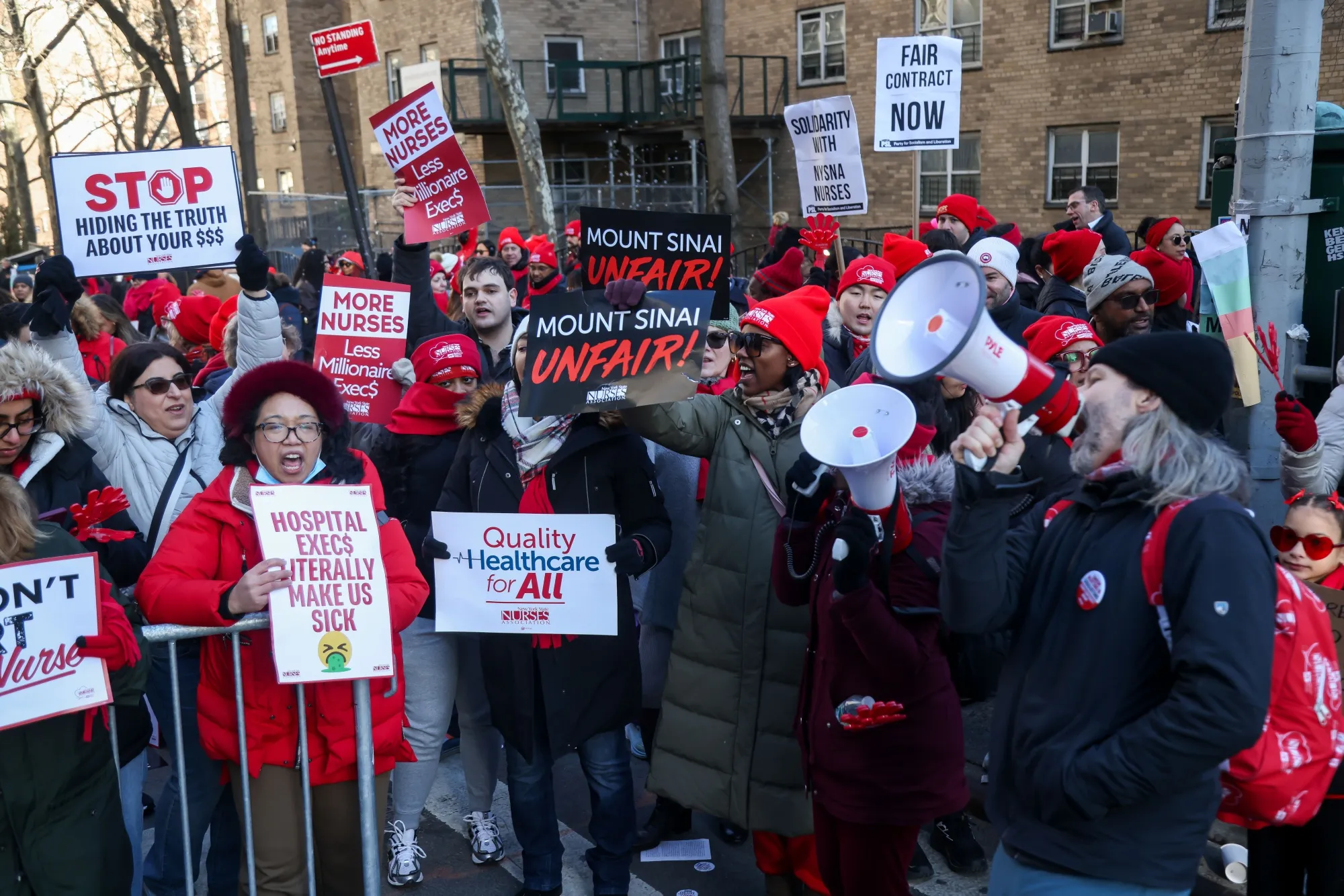
After weeks of picketing and intense negotiations, nurses across New York have reached a tentative agreement, signaling a potential end to the prolonged strike that has impacted several major hospitals. The breakthrough comes after a period of sustained pressure from healthcare workers seeking improved staffing levels, better pay, and enhanced benefits. This development follows a series of late-night discussions between union representatives and hospital management, ultimately leading to a proposal that will now be put before the union members for ratification.
The strike, which began with thousands of nurses walking off the job, brought significant disruption to patient care services in institutions like Montefiore Medical Center in the Bronx and Mount Sinai Hospital in Manhattan. Emergency rooms saw diversions, and non-essential procedures were postponed as hospitals scrambled to maintain operations with limited staff, often relying on temporary workers and administrative personnel to fill critical gaps. The New York State Nurses Association (NYSNA), representing the striking nurses, consistently emphasized that their primary concern extended beyond salary to the fundamental issue of patient safety, arguing that understaffing directly compromised the quality of care.
Throughout the dispute, both sides presented their cases to the public. Union leaders detailed instances of nurses being overwhelmed with patient loads, leading to burnout and, in some cases, preventable errors. They highlighted rising healthcare costs and executive salaries, contrasting them with what they described as stagnant wages and insufficient resources for frontline staff. Hospital administrations, conversely, pointed to financial pressures, the ongoing challenges of the pandemic, and the complexities of healthcare economics as factors limiting their ability to meet all union demands immediately. They also frequently acknowledged the dedication of their nursing staff while emphasizing the need for sustainable long-term solutions.
The specific terms of the tentative agreement have not yet been fully disclosed, pending review and a vote by union members. However, sources close to the negotiations suggest that the deal likely includes provisions addressing nurse-to-patient ratios, a key sticking point for the union, alongside wage increases and improvements to health benefits and retirement plans. The ratification process is expected to commence shortly, with union leadership recommending acceptance of the proposed terms. Should the agreement be approved, it would mark a significant victory for the union and a return to normalcy for the affected hospitals and their patients.
This resolution arrives at a critical juncture for New York’s healthcare system, which continues to navigate the lingering effects of the global health crisis and an ongoing shortage of skilled medical professionals. The strike drew national attention, becoming a symbol of the broader challenges faced by healthcare workers across the country. Its outcome is anticipated to influence future labor negotiations in the sector, potentially setting a precedent for how hospitals and their employees address issues of staffing, compensation, and workplace conditions in a post-pandemic landscape. The focus now shifts to the nurses themselves, as they weigh the details of the agreement and decide whether it adequately addresses their concerns and the needs of their patients.
