

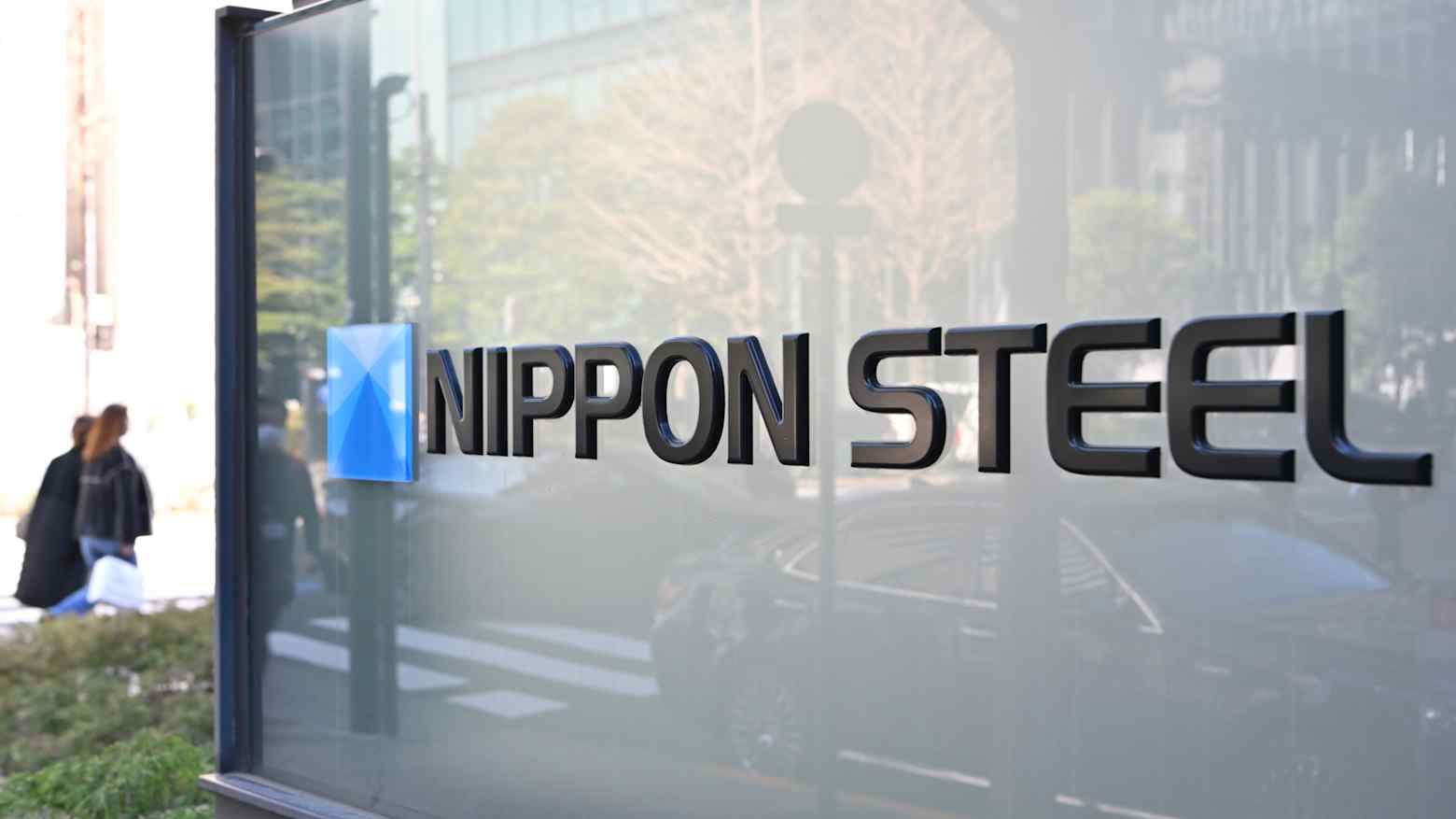
Nippon Steel recently announced its intention to raise a substantial 600 billion yen through an issuance of convertible bonds to overseas investors. This move, valued at approximately $3.8 billion, represents a significant financial maneuver for the Japanese industrial giant and marks the largest such issuance by a Japanese company targeting international markets. The decision underscores a strategic financial play, aiming to tap into global capital pools rather than relying solely on domestic avenues for fundraising.
The scale of this convertible bond offering positions it as a landmark event in Japanese corporate finance. Companies often opt for convertible bonds as a hybrid financing instrument, blending features of both debt and equity. They typically offer lower interest rates than conventional bonds, appealing to issuers, while also giving investors the option to convert them into shares if the company’s stock performs well. For Nippon Steel, this could translate into a more cost-effective way to secure capital while potentially broadening its shareholder base in the future. The international focus of this particular issuance also suggests an effort to diversify its investor profile and perhaps gain greater exposure to global institutional investors.
Fundraising through such a large-scale overseas issuance points to a careful calibration of financial strategy within Nippon Steel. The sheer volume of 600 billion yen suggests a significant capital requirement, though the specific deployment of these funds has not been detailed in initial announcements. Large capital raises often precede or coincide with major investment cycles, such as facility upgrades, research and development initiatives, or even strategic acquisitions. The company’s future disclosures will likely shed more light on the intended use of these substantial funds.
The decision to go overseas for this bond offering is particularly noteworthy. Japanese companies have, at times, faced unique challenges or opportunities within their domestic financial markets. By seeking capital abroad, Nippon Steel is navigating different regulatory environments, appealing to a diverse set of international investors with varying risk appetites and investment horizons. This approach can also help to mitigate concentration risk that might arise from relying too heavily on a single market for funding. The success of such a large issuance will undoubtedly be watched closely by other Japanese corporations contemplating similar international fundraising efforts.
The implications extend beyond Nippon Steel itself. This record-breaking issuance could set a precedent for other major Japanese firms looking to finance ambitious projects or expand their global footprint. It signals a growing confidence among Japanese industrial leaders in their ability to attract and manage large-scale international capital. The global financial community will be observing how this significant offering is received, as its performance could influence future trends in cross-border corporate financing from Japan. This financial strategy reflects a broader trend of Japanese companies becoming more interconnected with global capital markets, seeking out the most advantageous terms and diverse investor bases available.
