

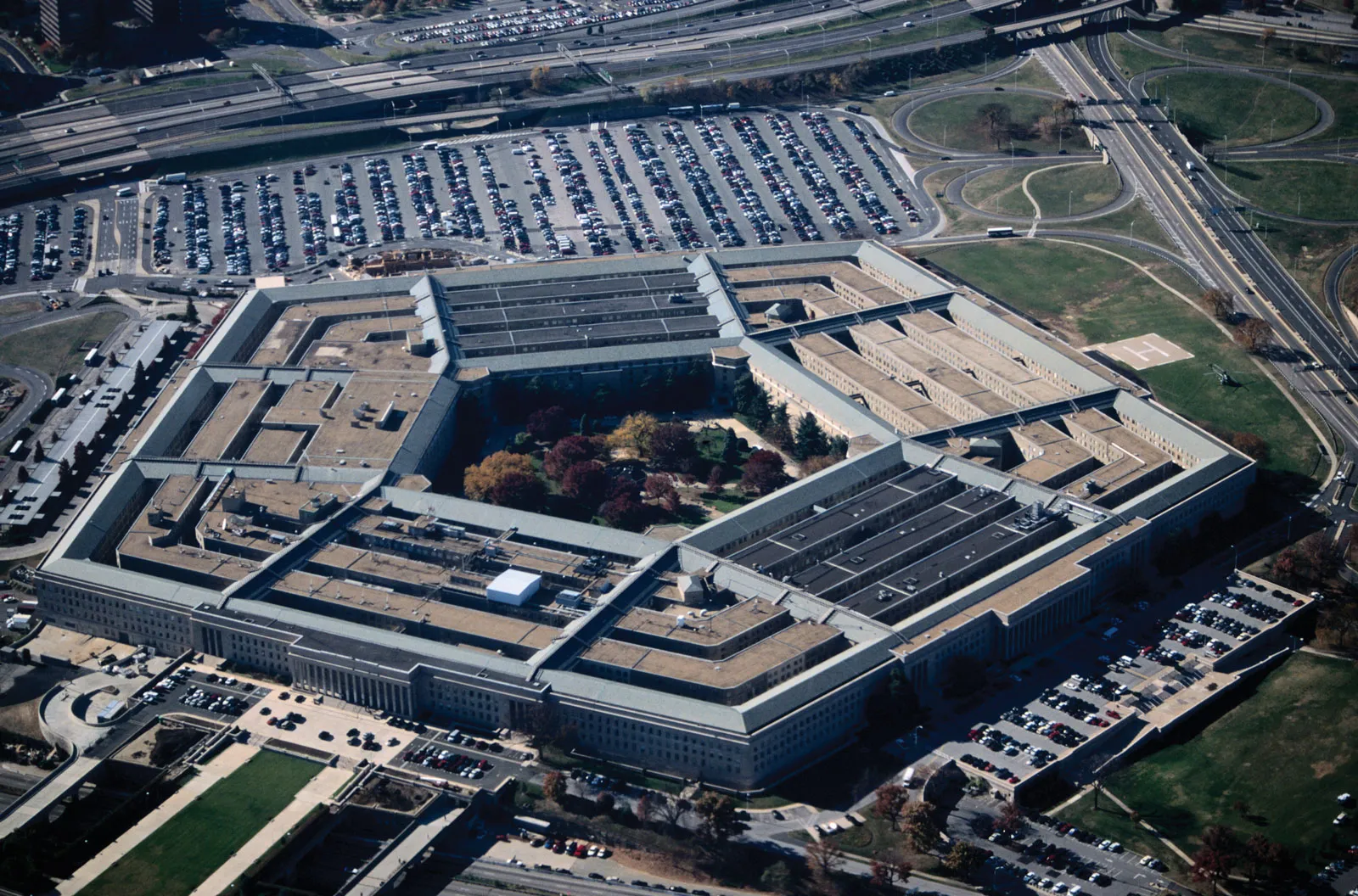
The deployment of anti-drone laser technology by the Pentagon has led to unexpected closures of airspace in Texas, prompting a collaborative testing initiative with the Federal Aviation Administration. These joint tests, designed to directly address the FAA’s safety concerns, were scheduled to occur over a weekend at the White Sands Missile Range in New Mexico. This development follows two separate incidents in February where military use of counter-drone measures resulted in significant air traffic disruptions and raised questions about interagency coordination.
One such incident unfolded early in February when U.S. Customs and Border Protection, operating under Pentagon authority, utilized an anti-drone laser. This action, undertaken without prior notification to the FAA, led to the abrupt closure of airspace over El Paso for several hours, causing delays for numerous travelers. The Trump administration indicated at the time that these measures were in response to increasing incursions by Mexican cartel drones along the southern border, a phenomenon it characterized as not uncommon. The FAA later confirmed its appreciation for the Pentagon’s coordination regarding the subsequent testing, stating that both agencies, alongside other interagency partners, are working to manage the evolving threat posed by unmanned aircraft systems while upholding the safety of the National Airspace System.
A second, notably more perplexing event transpired on February 26. On this occasion, the U.S. military deployed a laser to intercept what was described as a “seemingly threatening” drone operating near the U.S.-Mexico border. It was subsequently revealed by lawmakers that the targeted drone actually belonged to Customs and Border Protection itself. This misidentification immediately triggered another FAA decision to close the airspace, this time around Fort Hancock, situated approximately 50 miles southeast of El Paso. These repeated closures underscore a critical need for clearer protocols and enhanced communication between federal entities involved in national security and airspace management.
The necessity for formal notification whenever the military undertakes counter-drone actions within U.S. airspace is a standing requirement, a regulation that appears to have been overlooked in the initial February incidents. The apparent lack of coordination between the Pentagon and the FAA has drawn scrutiny from lawmakers. Senator Tammy Duckworth of Illinois, the ranking member on the Senate’s Aviation Subcommittee, publicly called for an independent investigation into the two February occurrences, emphasizing the serious implications for public safety and the efficient functioning of national air travel.
The forthcoming tests in New Mexico represent a direct response to these operational challenges and regulatory oversights. By conducting controlled evaluations, the Pentagon and FAA aim to refine procedures and ensure that future counter-drone operations do not inadvertently jeopardize civilian air traffic or create confusion. This collaborative effort is crucial for integrating advanced defense technologies into the complex and often congested national airspace without compromising established safety standards. The outcomes of these tests will likely inform future policy and operational guidelines for the deployment of anti-drone systems, balancing national security imperatives with the critical need for predictable and safe air travel.
