

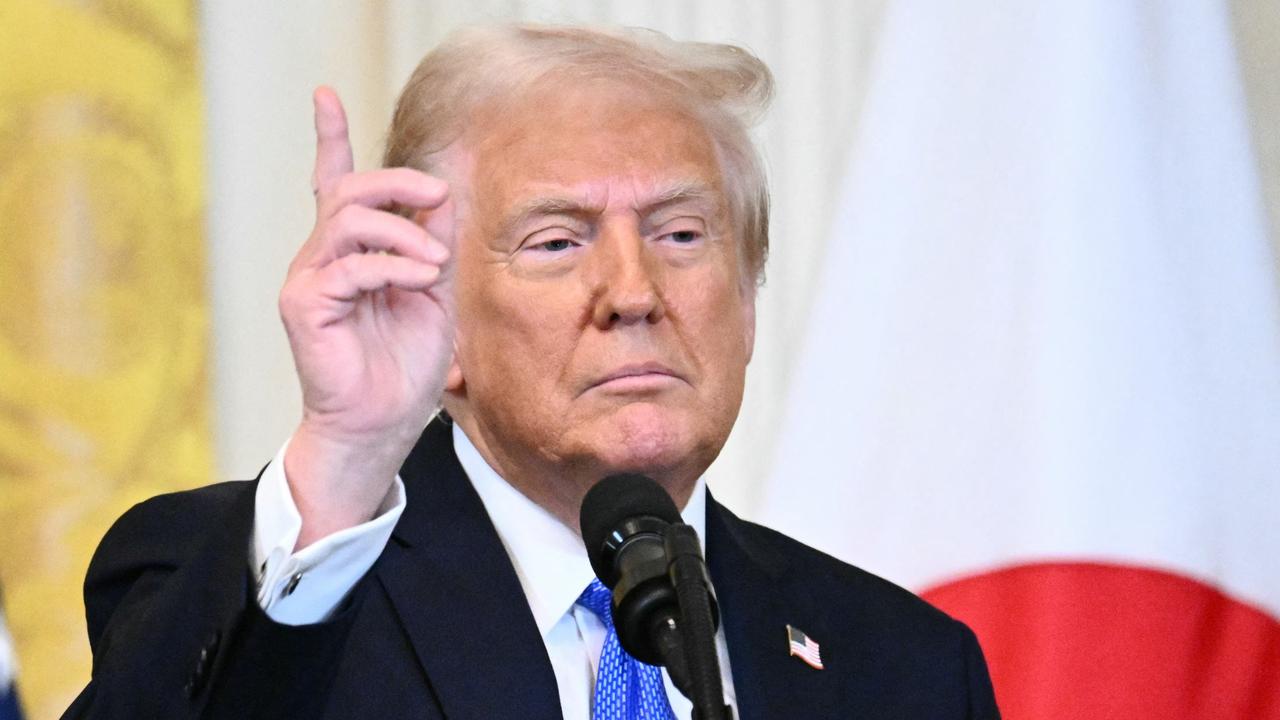
The initial economic undertakings stemming from the U.S.-Japan trade deal, inked last summer, are now officially underway. This announcement came from U.S. President Donald Trump on Tuesday, signaling a new phase in the economic relationship between the two nations. Among the first initiatives slated for development are a gas-powered plant, a crude oil facility, and a plant dedicated to the production of synthetic industrial diamonds. These projects represent tangible steps in the broader framework established by the agreement.
The signing ceremony for the implementation document itself took place in October 2025, with President Trump and then-Japanese Prime Minister Sanae Takaichi posing for photographs at the Akasaka Palace state guest house in Tokyo. That event marked the formalization of the commitments made, laying the groundwork for the ventures now being announced. The agreement has been a focal point for both administrations, touted as a mechanism to deepen economic ties and foster investment across various sectors.
Specific details regarding the locations or the exact scale of these three initial projects were not immediately released, yet their announcement underscores a focus on energy infrastructure and advanced manufacturing. A gas-powered plant suggests an emphasis on energy generation, while a crude oil facility points to aspects of petroleum processing or storage. The inclusion of a synthetic industrial diamonds plant highlights an interest in high-tech manufacturing and materials science, potentially indicating strategic investments in industries with broader technological applications.
The broader trade agreement, under which these projects fall, has been presented by both Washington and Tokyo as a significant move to enhance bilateral commerce. Proponents have argued that it will create jobs, stimulate economic growth, and foster greater collaboration in key industries. Critics, however, have often raised questions about the specific benefits for each country and the long-term impact on domestic industries. The commencement of these projects will likely provide the first tangible data points for assessing the agreement’s early effects.
Political leaders often emphasize such agreements as a testament to strong diplomatic relations. The visual of President Trump and Prime Minister Takaichi at the Akasaka Palace underscored the high-level commitment to the deal. Moving from signed documents to active construction and operation is a critical transition that demonstrates progress beyond rhetoric. These initial projects could serve as a bellwether for future investments and the overall trajectory of the U.S.-Japan economic partnership under the terms of the agreement.
As these facilities begin their development phases, attention will undoubtedly turn to the economic implications for the regions where they are situated, as well as the broader impact on energy markets and industrial supply chains. The promise of economic revitalization through international trade deals often hinges on the successful execution of such large-scale industrial projects. The coming months will offer a clearer picture of how these initial ventures contribute to the overarching goals outlined when the U.S.-Japan trade agreement was first conceived and signed.
