

The automotive industry, a sector often seen as a bellwether for global trade relations, finds itself at a critical juncture as major players like Toyota and General Motors advocate for the continuation of certain import restrictions on Chinese vehicles. This stance, communicated to former President Donald Trump, underscores a complex interplay of economic interests, national security concerns, and the future landscape of electric vehicle manufacturing. Their appeals arrive amidst ongoing discussions about potential shifts in trade policy, particularly concerning tariffs and market access for foreign-made goods.
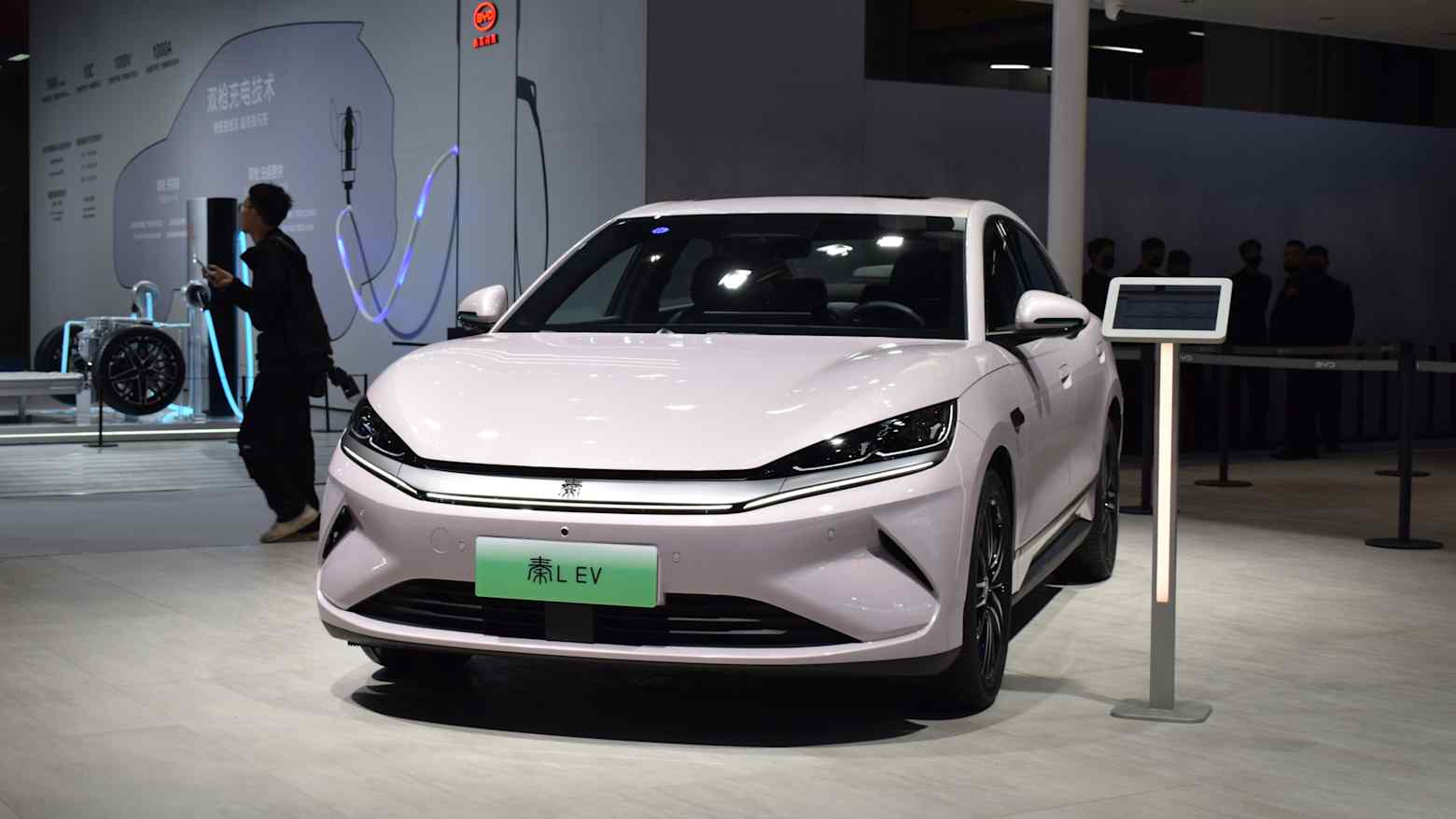
These manufacturers, alongside others in the industry, are reportedly concerned about a potential flood of lower-cost Chinese electric vehicles entering the American market. The argument centers on what they perceive as unfair advantages enjoyed by Chinese automakers, including substantial government subsidies that can depress production costs. This fear isn’t solely about competition; it also touches upon the significant investments American and allied companies have made in retooling factories and developing their own EV supply chains, efforts that could be undermined by a sudden influx of heavily subsidized alternatives.
The specific restrictions in question often relate to tariffs imposed during the previous Trump administration, measures that significantly increased the cost of importing certain goods from China. While these tariffs have been a point of contention for some sectors, others, particularly in manufacturing, have viewed them as a necessary shield against what they describe as predatory pricing and intellectual property theft. The auto industry’s plea suggests a desire for continuity in these protective measures, at least until domestic production capabilities can fully mature and compete on a more level playing field.
For Toyota, a company known for its global manufacturing footprint, and General Motors, a cornerstone of American industrial might, the calculus is multifaceted. Both companies operate extensively in China, benefiting from that massive market even as they compete with local brands. However, their primary concern, especially when engaging with U.S. policymakers, remains the health and competitiveness of their North American operations and the broader Western supply chain. The potential for Chinese automakers to gain a significant foothold in the U.S. market could disrupt these established dynamics, impacting everything from employment figures to technological development.
The discussions with Trump highlight the enduring influence of trade policy on corporate strategy and investment decisions. As the United States grapples with the energy transition and the push towards electrification, the origin and cost of electric vehicles become paramount. The automotive giants are essentially making a case for strategic protectionism, arguing that a temporary buffer is necessary to foster domestic innovation and manufacturing capacity, ensuring that the next generation of automotive jobs and technological leadership remains within the country’s borders. The outcome of these discussions could therefore shape not only the immediate future of auto sales but also the long-term trajectory of the global electric vehicle race.
