

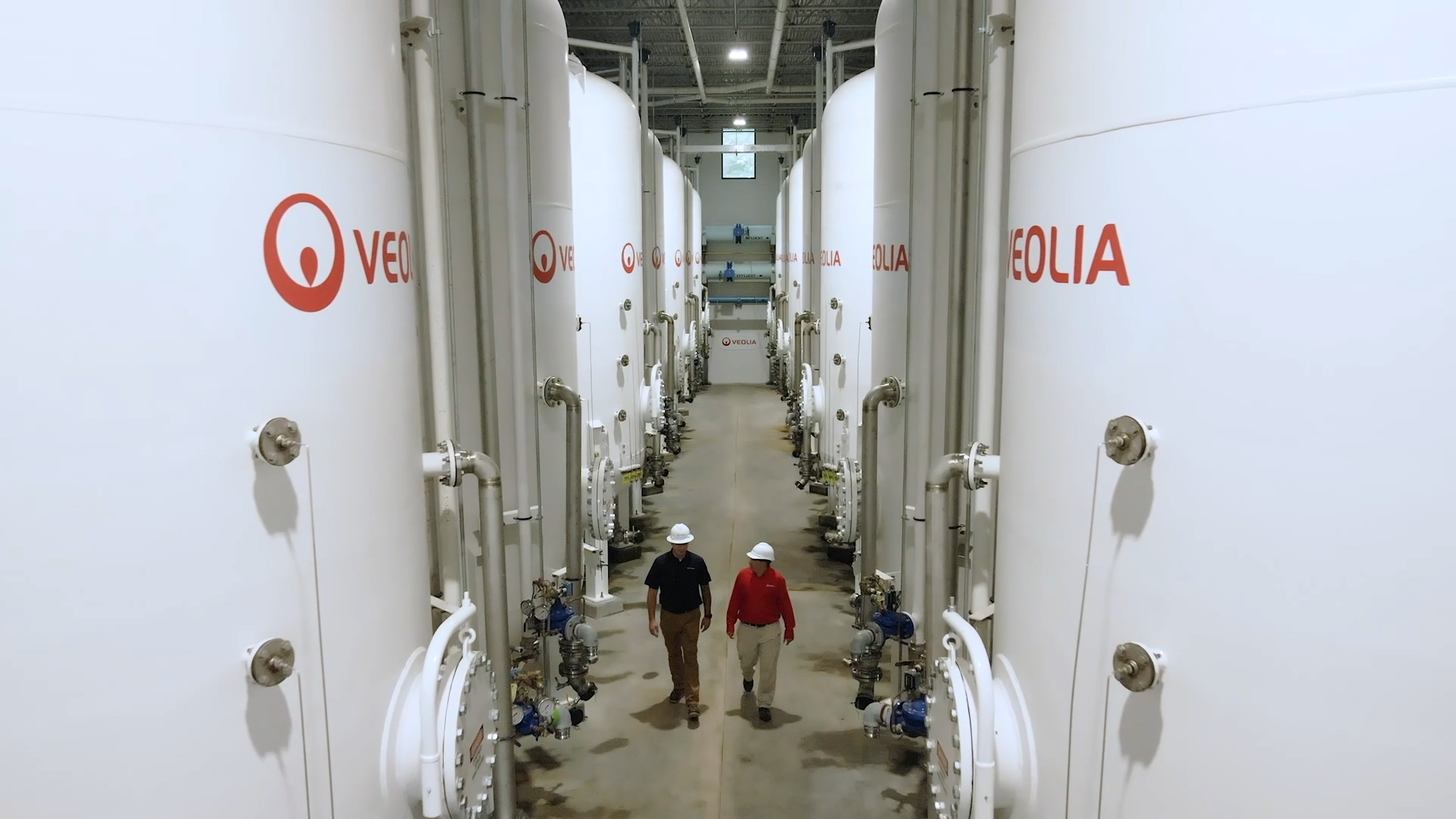
The acquisition of a significant portion of US Ecology’s former assets by Veolia marks a substantial shift in the American hazardous waste landscape. This strategic move, finalized after the divestiture required by the Department of Justice following Republic Services’ acquisition of US Ecology, positions Veolia as an even more formidable player in a critical, often overlooked, industry. The deal encompasses two landfills, four transfer stations, and a wastewater treatment facility, all integral components for managing the nation’s most challenging industrial byproducts.
These newly integrated facilities are not merely additions to Veolia’s portfolio; they represent crucial infrastructure for handling a diverse array of regulated materials. The acquisition includes the Crossville, Tennessee, and Robstown, Texas, hazardous waste landfills, facilities that are permitted to accept a broad spectrum of industrial waste streams. Furthermore, the four strategically located transfer stations in Rossford, Ohio; Detroit, Michigan; Chicago, Illinois; and Garland, Texas, act as vital logistical hubs, streamlining the collection and consolidation of waste before its ultimate disposal or treatment. The addition of the hazardous wastewater treatment plant in Detroit, Michigan, further enhances Veolia’s capabilities, allowing for specialized processing of liquid industrial wastes.
The regulatory environment surrounding hazardous waste management in the United States is notoriously stringent, demanding sophisticated operational expertise and substantial capital investment. Companies like Veolia operate under a complex web of federal and state regulations, including the Resource Conservation and Recovery Act (RCRA), which dictates everything from waste generation and transportation to treatment, storage, and disposal. Expanding within this sector requires not only financial strength but also a deep understanding of environmental compliance and risk management, areas where Veolia has long established its proficiency.
This expansion comes at a time when industrial activity across various sectors continues to generate significant quantities of hazardous materials. From manufacturing and chemical production to energy generation and technology, industries rely on specialized waste management firms to ensure safe and environmentally sound handling of their byproducts. Veolia’s enlarged footprint in the US positions it to better serve this persistent demand, offering integrated solutions that can reduce environmental liabilities for its clients and contribute to broader sustainability goals.
The integration of these former US Ecology assets into Veolia’s existing infrastructure is expected to create synergies, potentially leading to operational efficiencies and enhanced service offerings. For instance, the expanded network of transfer stations could optimize transportation routes, reducing logistical costs and carbon footprints. Similarly, the addition of specialized treatment capabilities can allow for a more comprehensive approach to waste streams that previously might have required outsourcing to multiple providers. This consolidation of services under one umbrella can simplify compliance and management for industrial clients.
Looking ahead, the hazardous waste management sector is likely to continue evolving, driven by technological advancements, stricter environmental regulations, and a growing emphasis on circular economy principles. Veolia’s strategic investment underscores a belief in the long-term viability and necessity of this industry. The integration of these facilities will be a complex undertaking, requiring careful management of personnel, permits, and operational protocols. However, the successful assimilation of these assets could significantly strengthen Veolia’s market position, allowing it to play an even more central role in safeguarding the environment from the complexities of industrial waste.
