

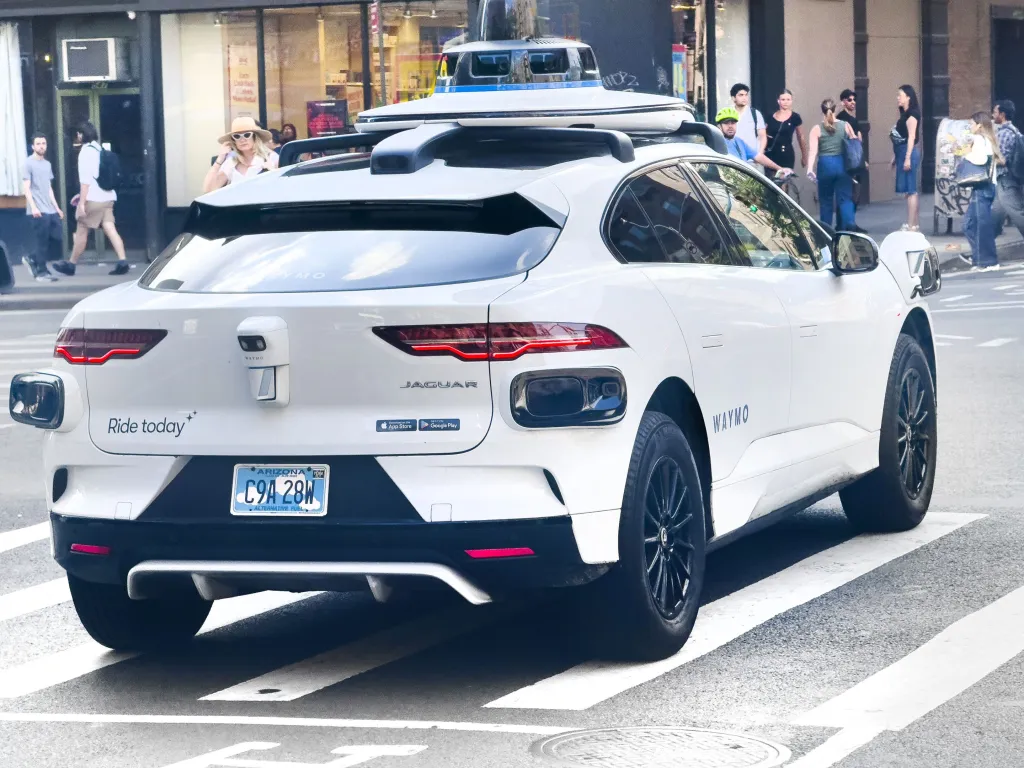
Waymo’s ambitious stride into the dense urban landscape of New York has encountered a significant setback, as Governor Kathy Hochul unexpectedly withdrew a key proposal designed to permit commercial robotaxi operations across parts of the state. This move, announced on Thursday, effectively pumps the brakes on the Google-parent Alphabet subsidiary’s immediate plans to extend its driverless vehicle services beyond its existing operational hubs. The proposal, initially embedded within Governor Hochul’s January budget, aimed to establish a regulatory pathway for autonomous vehicle companies to apply for commercial permits outside New York City.
The governor’s office clarified that the decision stemmed from an apparent lack of sufficient support for the measure to move forward. This political reality check arrives despite Waymo’s established leadership in the nascent robotaxi sector, where its vehicles currently complete over one million fully autonomous rides monthly across cities like San Francisco, Phoenix, and Los Angeles. The company had previously articulated aggressive expansion targets, aiming to penetrate as many as 20 additional cities by 2026 and dramatically scale its rider volume to one million per week. This New York reversal forces a re-evaluation of that timeline, at least for one critical market.
The pushback against Waymo’s New York expansion was multifaceted, drawing opposition from a coalition of taxi and rideshare drivers, various labor unions, and transit workers. These groups voiced concerns over potential job displacement and the broader implications for public transportation infrastructure. While Waymo expressed disappointment following the governor’s decision, the company reiterated its commitment to engage with state lawmakers, signaling an ongoing effort to eventually introduce its services to New York. It is notable that Waymo’s separate initiative involving autonomous car testing with safety drivers within New York City remains unaffected by this recent development, suggesting a bifurcated strategy for market entry.
Meanwhile, the broader autonomous vehicle industry is witnessing an uptick in competition. Tesla and Amazon-owned Zoox have begun to roll out limited robotaxi services in select areas, challenging Waymo’s early dominance. This intensified rivalry underscores the high stakes involved in securing regulatory approvals and market share in emerging urban centers. The New York situation highlights how local political climates and stakeholder objections can significantly influence the pace and direction of technological adoption, even for well-funded industry pioneers.
Across the tech world, other significant shifts are underway, reflecting a period of intense innovation and occasional turbulence. Bill Gates, for instance, pulled out of India’s AI Impact Summit just hours before his scheduled keynote address. The Gates Foundation cited a desire to keep the focus on the summit’s core priorities, though rumors regarding renewed scrutiny over Gates’ past associations with Jeffrey Epstein had circulated throughout the week. This withdrawal occurred weeks after the U.S. Department of Justice released emails detailing contacts between Gates Foundation staff and Epstein following the financier’s release from prison. Gates has consistently maintained that his interactions with Epstein were limited to discussions about charitable endeavors and has publicly acknowledged meeting him was an error in judgment.
In a different corner of the tech landscape, Meta is recalibrating its strategy for Horizon Worlds, its virtual reality metaverse experience. The platform will pivot from being exclusively tethered to VR headsets to becoming a mobile-first application accessible via smartphones. Samantha Ryan, Meta’s VP, framed this shift as an opportunity to tap into a much larger user base, acknowledging that the VR industry’s growth has not met Meta’s initial projections. While Meta insists on its continued commitment to its Quest line of VR headsets, this strategic adjustment for Horizon Worlds could potentially open avenues for third-party developers to cultivate innovative applications for the Quest platform, possibly reigniting interest in VR technology. This move illustrates the ongoing experimentation and adaptation within major tech companies as they navigate evolving market dynamics and consumer preferences.
