

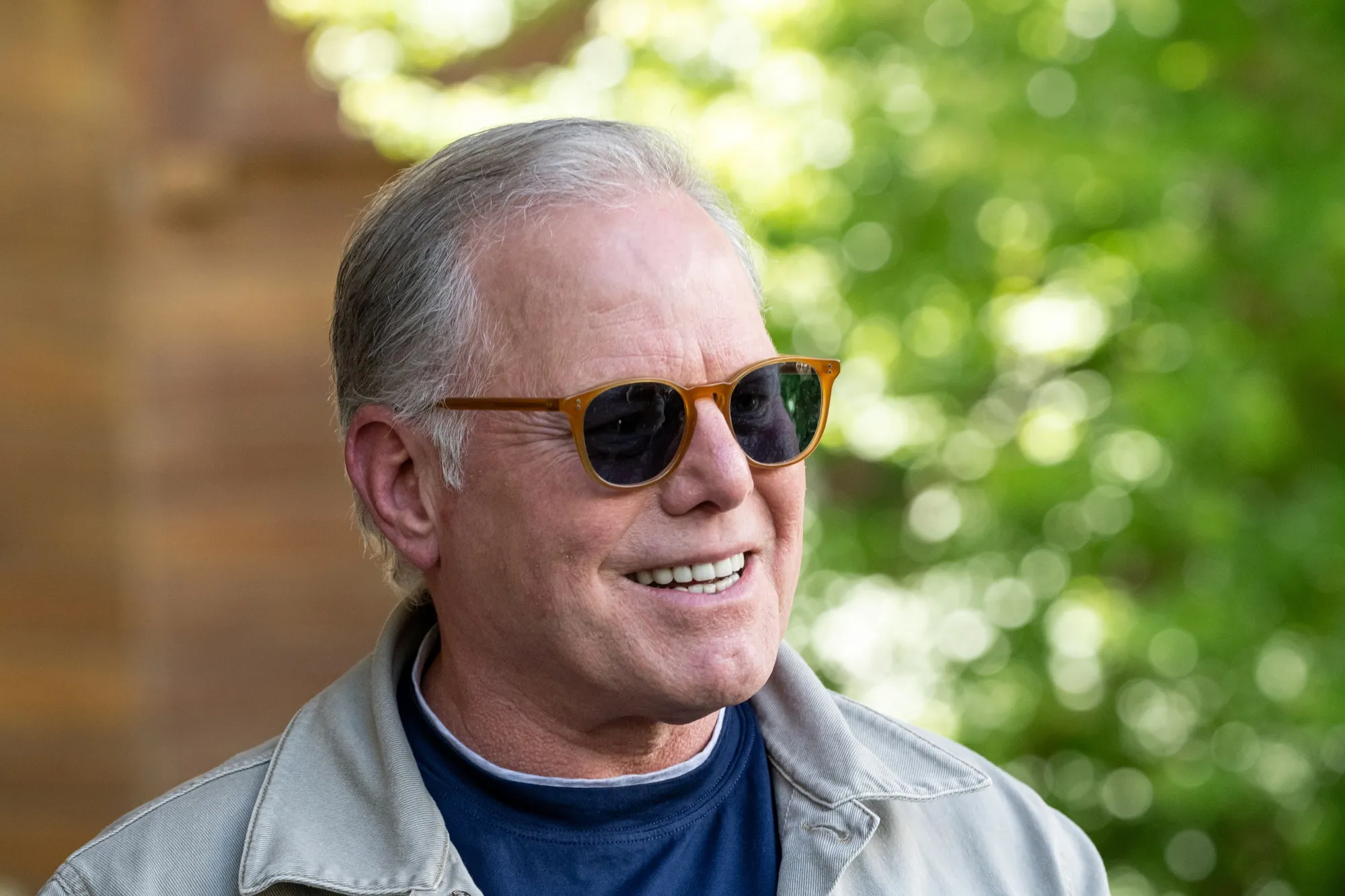
The historic acquisition of Warner Bros. by Netflix has not only upended Hollywood’s competitive landscape—it is also poised to catapult Warner CEO David Zaslav into the ranks of global billionaires. As details of the record-breaking deal emerge, analysts estimate that Zaslav’s equity holdings, performance-linked compensation, and transaction-triggered incentives will collectively push his net worth above the $1 billion threshold, marking a dramatic personal milestone in one of entertainment’s most consequential corporate shake-ups.
The transformation underscores a broader reshaping of media power centers, executive compensation structures, and the enormous value of legacy content libraries in an era where the streaming giants dominate global entertainment economics.
A Deal That Reshapes Hollywood and Rewrites Fortunes
Netflix’s acquisition of Warner Bros.—a studio synonymous with a century of cinematic history—has instantly become one of the most talked-about transactions in Hollywood’s modern era. Beyond strategic implications for film, TV, and streaming ecosystems, the deal has profound financial consequences for Warner leadership.
For Zaslav, who guided Warner Bros. Discovery through one of the most turbulent restructuring periods in studio history, the acquisition translates into a monumental payday. His compensation package includes:
- Equity grants tied to valuation milestones
- Accelerated vesting triggered by change-of-control conditions
- Long-term stock options granted during years of cost restructuring
- Performance incentives linked to deal execution and shareholder value creation
Combined, these elements create a scenario in which Zaslav stands to receive an extraordinary windfall at the closing of the sale.
How Zaslav’s Wealth Surges Past the $1 Billion Mark
Zaslav’s existing compensation as CEO of Warner Bros. Discovery was already among the highest in the entertainment industry, with annual packages—depending on structure—often exceeding tens of millions of dollars. But the Netflix deal fundamentally alters the scale of his holdings.
Key Components of the Windfall Include:
1. Accelerated Vesting of Equity Awards
Change-of-control provisions trigger immediate vesting of stock awarded during Warner’s restructuring phases. These awards, accumulated over multiple years, now convert at a significantly elevated valuation.
2. Long-Term Incentive Plans (LTIPs)
Zaslav’s LTIPs were designed around major strategic events and the company’s ability to unlock long-term shareholder value. Netflix’s acquisition, representing a premium valuation for Warner’s IP and distribution assets, activates these incentives.
3. Transaction-Based Bonuses
Sources familiar with the structuring note that Zaslav is expected to receive performance-based bonuses tied directly to the successful negotiation and completion of the deal.
4. Equity Appreciation
Zaslav’s existing stake in Warner Bros. Discovery experiences a valuation leap under the acquisition premium, pushing his net worth over the billion-dollar threshold.
Collectively, these mechanisms form a compensation arc that analysts say may rank among the largest CEO windfalls in entertainment history.
A Controversial But Predicted Outcome
Executive windfalls tied to large-scale media acquisitions often attract scrutiny, and Zaslav is no exception. Critics will point to Warner’s cost-cutting measures—content cancellations, layoffs, and restructuring—that defined the early years of the Warner Bros. Discovery merger. Supporters, however, argue that Zaslav:
- Steered the company through unprecedented industry disruption
- Improved financial discipline across Warner assets
- Positioned the studio for maximum value capture
- Facilitated one of the most strategic partnerships of the modern streaming era
Whether admired or criticized, Zaslav’s compensation reflects a long-standing structure in corporate America: CEOs who create large-scale enterprise value are rewarded in proportion to the outcome.
The Deal That Reshapes the Streaming War
While Zaslav’s personal financial milestone captures headlines, the broader strategic implications of the Netflix–Warner transaction are far more sweeping.
1. Netflix Gains an Unmatched Content Arsenal
Netflix secures full ownership of Warner’s legendary IP catalog, including:
- DC Universe
- Harry Potter
- Looney Tunes
- The Matrix
- Classic Warner films and international rights packages
This positions Netflix as the world’s most formidable content owner.
2. Hollywood Consolidation Accelerates
The deal intensifies industry consolidation, pressuring legacy studios and tech competitors to consider mergers, joint ventures, or divestitures.
3. Franchise Expansion Goes Global
With Netflix’s data-driven global distribution system, Warner-owned franchises can be redeployed in new formats, languages, and markets at unprecedented scale.
4. Theatrical Strategies May Transform
Netflix gains a stronger foothold in cinema distribution, reshaping windows, marketing strategy, and hybrid release models.
Zaslav’s Legacy: Architect of a Transformational Era
Although the acquisition marks the end of Zaslav’s tenure atop Warner Bros. Discovery, it also cements his legacy as the executive who presided over:
- One of the largest media mergers of the decade (WarnerMedia + Discovery)
- The most aggressive cost-rationalization program in studio history
- A sweeping restructuring of content pipelines and streaming strategies
- The eventual sale of Warner to Netflix at a valuation few predicted possible
His career arc—from cable television to managing a Hollywood empire and brokering its historic sale—makes him one of the most consequential media executives of the streaming age.
What Comes Next for Zaslav?
With billionaire status secured, speculation has already begun on Zaslav’s next move:
- Advisory or board roles at major tech or entertainment companies
- A venture into private equity or media investment firms
- Philanthropic initiatives focusing on education, media literacy, or conservation
- Potential involvement in global media policymaking
Zaslav has not publicly disclosed his post-deal plans, but given his deep network and experience, industry insiders expect him to remain an influential figure in global entertainment.
Conclusion: A Personal Fortune Built on a Global Media Transformation
The Netflix–Warner Bros. deal will be analyzed for years as a turning point in the evolution of entertainment—merging traditional Hollywood with the scale and data muscle of global streaming. For Zaslav, the architect of Warner’s transition, the acquisition not only concludes a defining chapter of his career but also elevates his financial status to extraordinary heights.
As the dust settles, the deal highlights a broader truth: the future of entertainment now belongs to companies that can blend legacy storytelling with global digital distribution—and to the executives capable of navigating that transformation.
