

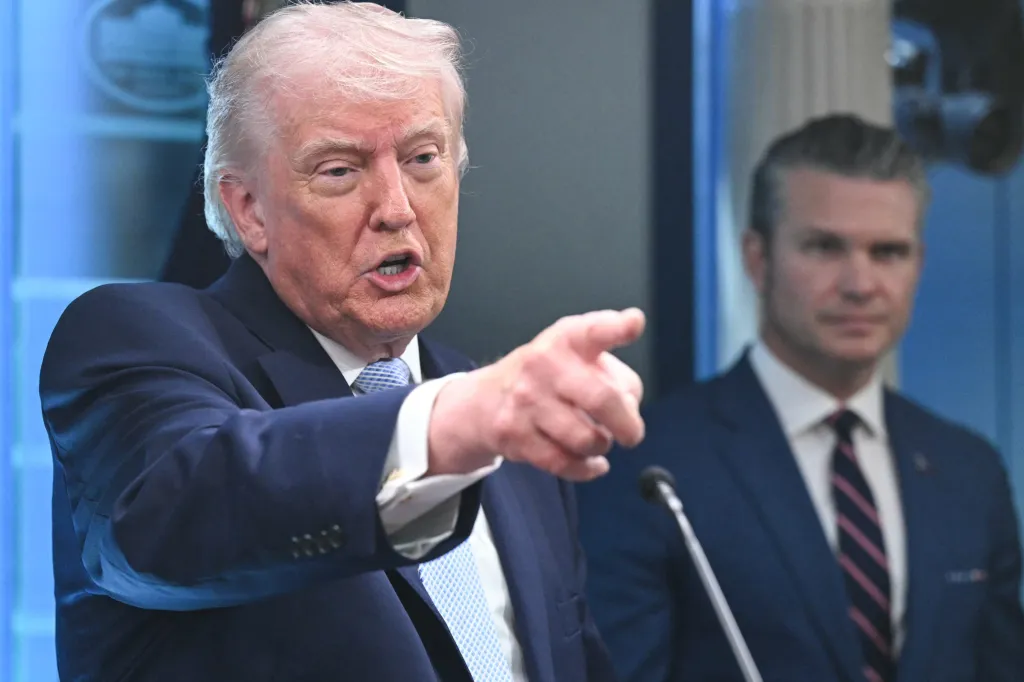
The projected cost of a contemporary conflict, specifically the ongoing war in Iran, is poised to exceed $1 trillion, a figure that dramatically outstrips initial spending estimates. This assessment comes from Linda Bilmes, a public finance expert and lecturer at the Harvard Kennedy School, who points to early Pentagon reports indicating an expenditure of approximately $11.3 billion in the first week alone. The American Enterprise Institute had previously estimated costs would surpass $35 billion by April 1st, or roughly $1 billion daily; however, Bilmes suggests the actual daily costs are double that, primarily due to the omission of long-term repercussions such as veteran disability benefits and the extensive infrastructure damage requiring years for repair. This substantial financial undertaking is unfolding against a backdrop of unprecedented reliance on national debt, a strategy Bilmes highlights as a significant departure from historical wartime financing.
Immanuel Kant, the German Enlightenment philosopher, in his 1795 essay *Perpetual Peace: A Philosophical Sketch*, posited that nations should refrain from contracting national debts “with a view to the external friction of states” to preserve peace. Nearly two and a half centuries later, Bilmes argues the United States is making precisely this error by funding its current military engagements through expanded borrowing, further encumbering an already substantial $39 trillion national debt. The scale of this debt-financed conflict marks a shift from earlier periods. During the Iraq and Afghanistan wars in the early 2000s, public debt stood at around $4 trillion, with approximately 7% of the federal budget allocated to interest payments. Today, the public holds $31 trillion in debt, and a staggering 15% of the national budget is consumed by interest payments alone.
This mounting interest expense directly translates into billions of dollars added to the overall cost of the war, a burden Bilmes stresses is being explicitly passed on to future generations, unlike the upfront expenditures. While previous conflicts also necessitated borrowing, the present strategy, particularly since the turn of the 21st century, represents a fundamental change. The War of 1812 saw the nascent United States, perhaps out of necessity given the expiration of the Bank of the United States’ charter, implement direct land taxes and duties on various goods, laying groundwork for future wartime capital generation. Even through the Civil War and Vietnam, while borrowing was significant, it was often complemented by substantial taxation.
For instance, during World War I, President Woodrow Wilson advocated for a “conscription of wealth,” leading to progressive income tax rates reaching 77% by 1918. Similarly, President Harry Truman championed a “pay-as-you-go policy” during the Korean War, emphasizing the use of tax revenue over debt for military expenditures. This long-standing approach, however, began to unravel with the administration of President George W. Bush. His tax cuts in 2001 and 2003 coincided with the initiation of conflicts in Iraq and Afghanistan, marking the first instance where a U.S. war was funded almost entirely through borrowing rather than tax increases or budget reallocations. Bilmes, alongside economist Joseph Stiglitz, initially estimated the true cost of these wars at over $2 trillion in 2006, a figure she later revised to between $4 trillion and $6 trillion by 2013, significantly higher than the Congressional Budget Office’s initial $500 billion projection.
President Donald Trump has continued this pattern, extending tax cuts from 2017 through the One Big Beautiful Bill Act, which is projected to reduce tax revenues by $4.5 trillion over the next decade. Concurrently, the White House is reportedly seeking up to $100 billion in additional funds from Congress for the current conflict. Trump’s fiscal 2027 budget proposal further underscores this trend, calling for $1.5 trillion in defense spending—a 44% increase from the previous year—while simultaneously proposing a 10% cut to non-defense spending. This would mark the first time defense spending surpasses all other discretionary expenditures, with roughly a quarter of the U.S. budget now financed through borrowed money.
Bilmes emphasizes that this continuous borrowing for military endeavors, particularly at high rates, is not inherently problematic if it supports productive investments like infrastructure or education, which can yield returns exceeding the borrowed amount. However, she expresses concern that the current administration’s focus on military spending, largely debt-financed, risks hindering economic growth and exacerbating the debt-to-GDP ratio. This approach, she suggests, involves borrowing heavily for outcomes that may ultimately “end up in the sand,” rather than fostering long-term economic dividends.
