

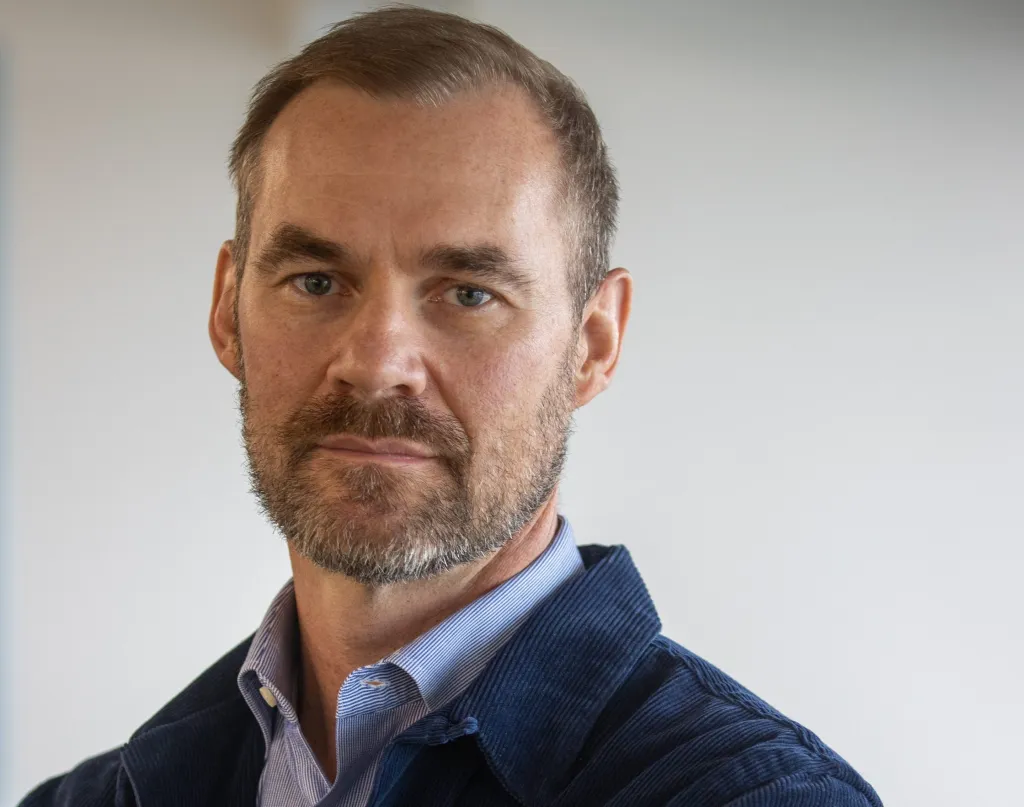
The energy demands of artificial intelligence continue to escalate, pushing the technological frontier toward solutions that can sustain this rapid growth. Against this backdrop, Sygaldry, a company co-founded by quantum computing veteran Chad Rigetti, recently announced it has secured $139 million in funding. This capital injection, which includes a $105 million Series A round led by Breakthrough Energy Ventures in March and an earlier $34 million seed round led by Initialized Capital, positions the firm to tackle one of the most pressing challenges facing the AI industry: powering its vast data centers.
Rigetti, who previously founded and led Rigetti Computing, a quantum circuit developer that went public in 2022, established Sygaldry in 2024 with co-founders Idalia Friedson and Michael Keiser. Their strategy involves integrating quantum hardware with classical chips within server designs specifically for AI data centers. The ambition is to create systems capable of running AI workloads with significantly enhanced speed, potentially surpassing the capabilities of current GPU-based solutions, such as those offered by Nvidia. Rigetti articulated a clear objective: to see these machines in commercial production, delivering tangible speed improvements for AI applications, by the end of the current decade.
The very name of Rigetti’s new venture, Sygaldry, hints at an approach blending intricate engineering with a touch of the speculative. Drawn from Patrick Rothfuss’s fantasy novel, “The Name of the Wind,” “sygaldry” describes a discipline of inscribing runes to control energy flows, suggesting a meticulous, yet potentially volatile, process. This philosophical underpinning mirrors the complex and often delicate nature of quantum physics itself, where precision is paramount, and missteps can have significant consequences. The company’s vision for quantum hardware within AI data centers is not merely about speed, but also about efficiency. Rigetti states that quantum will offer a fundamentally more efficient method for converting power into intelligence, addressing the sustainability concerns that plague the current AI paradigm.
Carmichael Roberts, a managing partner at Breakthrough Energy Ventures, underscored this investment thesis, noting the unsustainable growth rate of energy consumption by large language models. The conviction is that Sygaldry can offer a pathway to disrupt this trend. Daniel Dart, founder of Rock Yard Ventures and an investor in Sygaldry, drew an analogy between the transformative potential of quantum and historical shifts in transportation, comparing it to the leap from horse-drawn carriages to automobiles and airplanes. This perspective suggests that while the transition will not be instantaneous, its long-term impact could be profound, removing existing computational limitations in AI much like new forms of transport eliminated previous travel barriers.
The notion of quantum computing achieving widespread commercial viability by 2030 might strike some as ambitious. For years, the field has been likened to nuclear fusion—a technology perpetually “50 years away.” However, Rigetti maintains that a turning point is rapidly approaching. He believes the future, particularly one where advanced technology serves humanity rather than dominating it, is arriving with unprecedented speed. His vision extends beyond mere technological advancement, aiming for a “Star Trek version of the future,” where humans remain masters of their tools, consciously developing AI to augment human capabilities rather than diminish them. This holistic view of technological progress, balancing innovation with intentional development, underpins Sygaldry’s mission as it navigates the complex landscape of quantum and artificial intelligence.
