

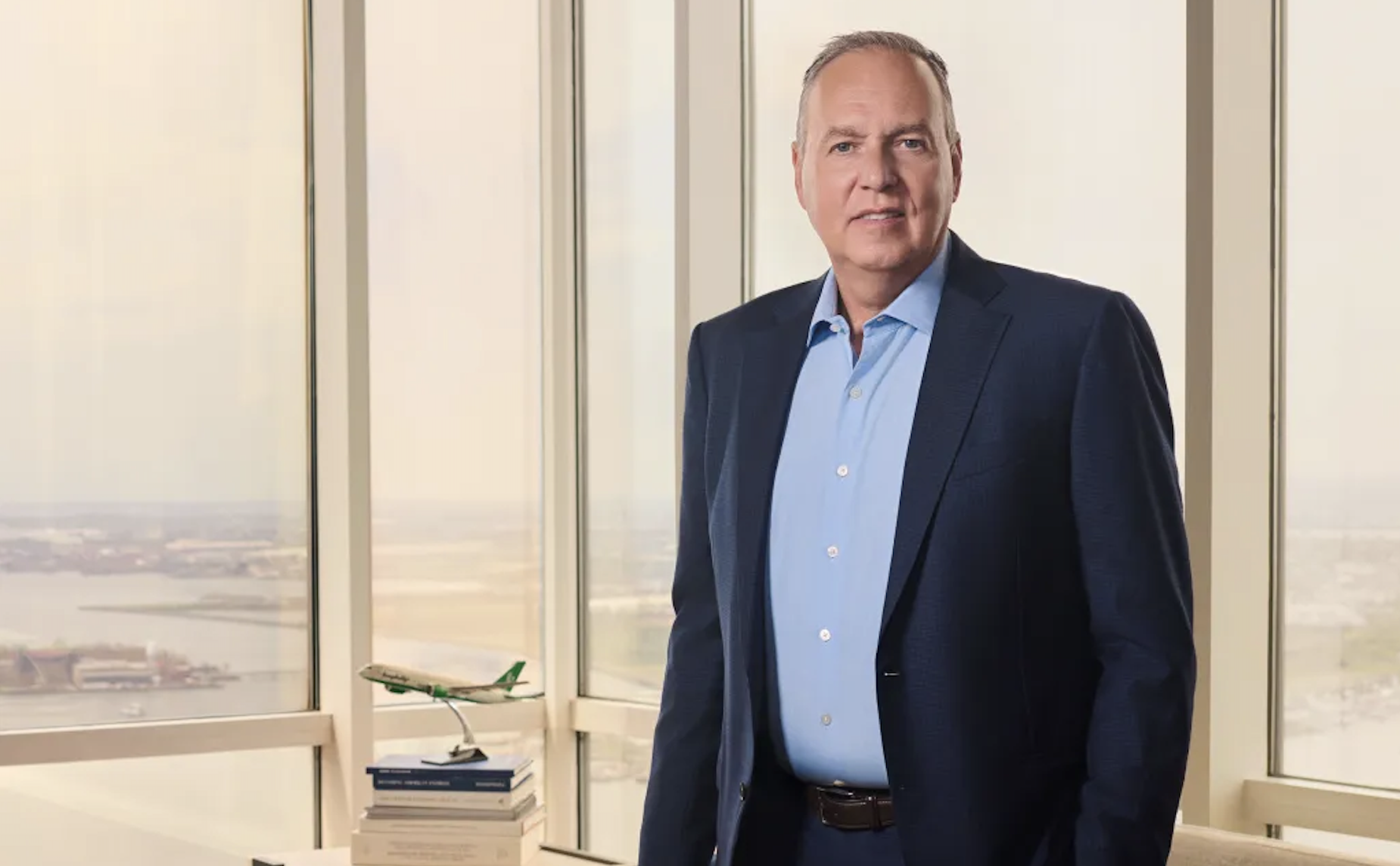
Stephen Squeri’s journey to the top of American Express was not a conventional one. For decades, he navigated the corporate ladder, quietly building a reputation within the credit card giant, yet facing persistent skepticism about his suitability for the highest office. Colleagues and even board members, it seems, initially judged him not on his three decades of experience, his restructuring successes, or his command of technology operations, but on his sartorial choices. The narrative often circulated was that Squeri, a Queens native, simply did not “dress like a Wall Street CEO.” This perception was perhaps crystallized by an incident involving a New York Jets jersey worn under a suit jacket during a board meeting, a memory Squeri himself recounted, noting that some directors were “a bit put off.”
The pressure to conform extended beyond casual observations. Squeri found himself advised by the head of HR that he needed to “dress like a CEO,” leading to an intervention by a clothing expert from Connecticut. This expert meticulously cataloged Squeri’s existing wardrobe, declaring “None of it” would suffice for his ambitions. What followed was a comprehensive overhaul, with hours spent selecting fabrics for new suits, shirts, and accessories, culminating in a significant purchase on his Amex card. This personal transformation, as Squeri has indicated, played an undeniable role in securing the CEO position and foreshadowed the broader corporate makeover he would spearhead.
Since taking the helm in early 2018, Squeri has largely remained out of the public eye, maintaining a lower profile than peers like JPMorgan Chase’s Jamie Dimon. Despite this, his strategy has redefined American Express’s market position. He shifted the company’s focus dramatically, moving away from the long-standing industry practice of “start folks cheap then upgrade them.” Instead, Squeri recognized an untapped desire for luxury among younger demographics. His insight, he explained, stemmed partly from observing his own four daughters and their friends, who, despite being “value-conscious,” gravitated towards premium experiences and perks. This led to a strategy centered on attracting affluent millennials and Gen Z customers, a demographic he believed would offer two decades of lifetime value.
This strategic pivot saw the company double down on premium offerings. A significant example is the Platinum Card “refresh,” which occurred in September. While the annual fee increased from $695 to $895, the company introduced new benefits, including credits for services like Resy and Uber One, alongside hotel stays. American Express reported this relaunch as its most successful in history, with new Platinum account acquisitions doubling in the three weeks immediately following the refresh, and retention rates remaining robust despite the higher cost. This approach, focusing on luxury and tailored perks for a younger, affluent clientele, has yielded substantial returns.
Under Squeri’s leadership, American Express has achieved impressive financial performance. The company, an institution with a market capitalization of $200 billion and a major holding for Berkshire Hathaway, has recorded the highest returns among large U.S. commercial banks and payment providers since Squeri assumed the CEO role. Over the past eight years, Amex stock has generated total yearly returns of 16.6%, surpassing most major competitors and market benchmarks, with the exception of Goldman Sachs which narrowly edges it out over that same period. This success, built on a foundation of understanding evolving consumer desires and a willingness to challenge long-held industry norms, illustrates how a CEO once underestimated for his personal style has redefined one of America’s most iconic financial brands.
