

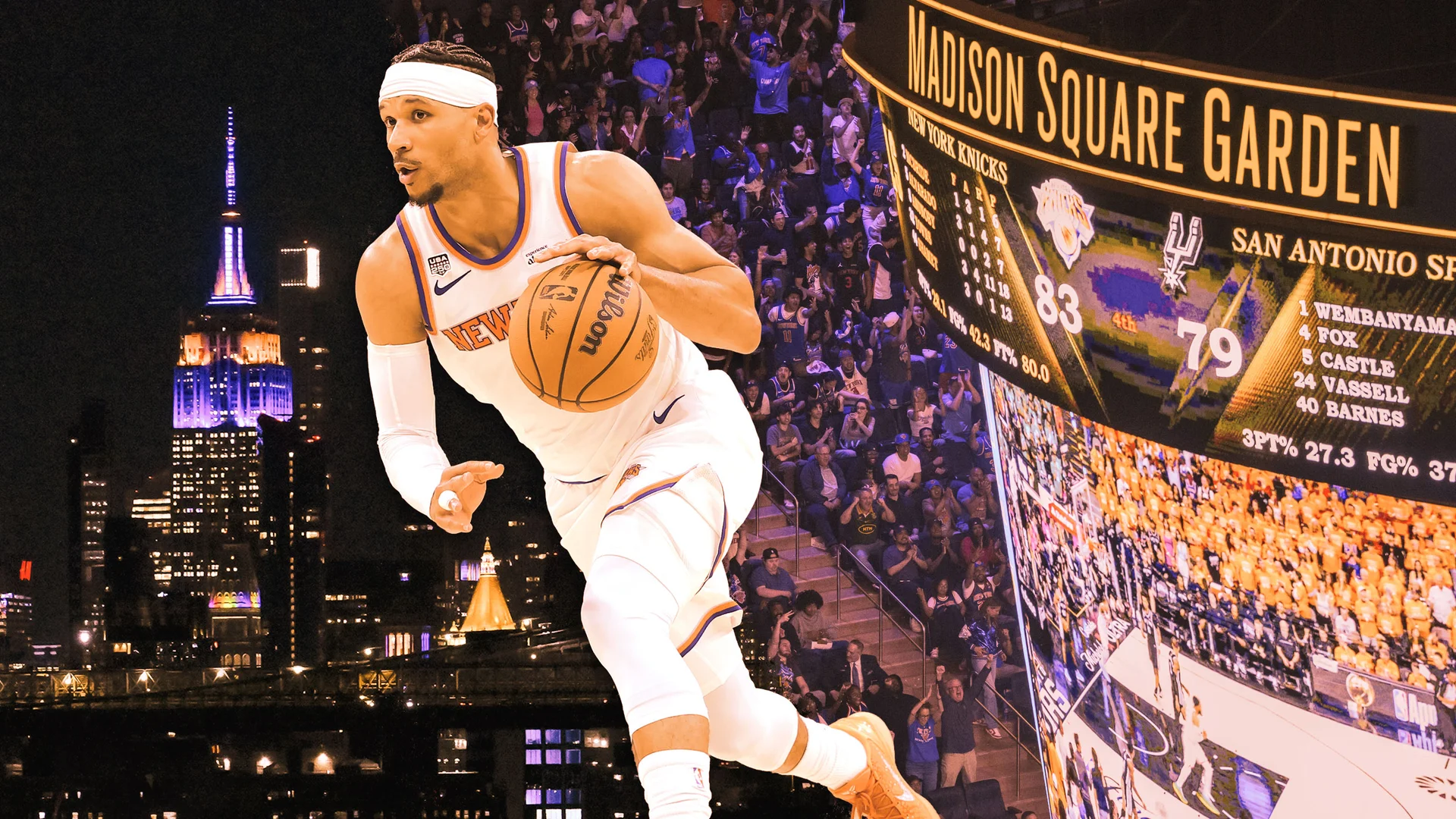
The roar within Madison Square Garden, a sound that has become increasingly familiar throughout the New York Knicks’ deep playoff run, is echoing far beyond the arena’s walls, translating into tangible economic impacts across the city. This unexpected wave of success for the franchise has sparked a measurable uptick in various sectors, from hospitality to retail, as fans and visitors flock to partake in the postseason excitement. Local businesses, many of which weathered significant challenges in recent years, are reporting a substantial increase in patronage directly attributable to the team’s performance.
Restaurants and bars in the vicinity of Madison Square Garden, and indeed across Manhattan, have seen their revenues swell on game nights. Establishments that once hoped for a steady stream of diners now find themselves fully booked hours before tip-off, and remaining packed long after the final buzzer. One Midtown sports bar owner, who requested anonymity to speak candidly about the windfall, noted a 40% increase in sales on Knicks game days compared to typical evenings, a figure he attributes entirely to the playoff atmosphere. This surge isn’t limited to immediate vicinities; even neighborhood pubs in Brooklyn and Queens are experiencing elevated traffic as fans gather to watch the games together.
The ripple effect extends to other areas of the city’s economy. Merchandise sales, always a reliable indicator of fan engagement, have skyrocketed. Official team stores and independent sports apparel retailers are struggling to keep popular items in stock, with jerseys, hats, and commemorative gear flying off shelves. This demand isn’t just local; online sales data suggests a broad national interest in Knicks memorabilia, driven by the team’s compelling narrative and underdog status. Beyond merchandise, the tourism sector is also benefiting. Hotels, particularly those in Manhattan, are seeing increased bookings from out-of-town fans traveling to attend games or simply soak in the playoff ambiance. Anecdotal evidence from concierges suggests a noticeable rise in inquiries about game schedules and local viewing parties.
Public transportation systems, including the subway and commuter rails, are also experiencing higher ridership figures on game nights, reflecting the thousands of fans converging on the Garden. This increased movement of people through the city contributes to a broader economic circulation, as commuters often stop for food, drinks, or other purchases before and after games. The energy surrounding the Knicks has also provided a welcome distraction, boosting morale and fostering a sense of community pride that translates into a more vibrant urban landscape.
Even indirect beneficiaries are feeling the positive tremors. Local media outlets are reporting record viewership and readership for their Knicks-related content, leading to increased advertising revenue. The broader narrative of a resurgent New York team performing on a national stage elevates the city’s profile, potentially attracting further investment and tourism in the long term. While the ultimate outcome of the playoffs remains uncertain, the economic dividends reaped by New York City thus far are a clear win, demonstrating the powerful financial leverage of a successful sports franchise.
