

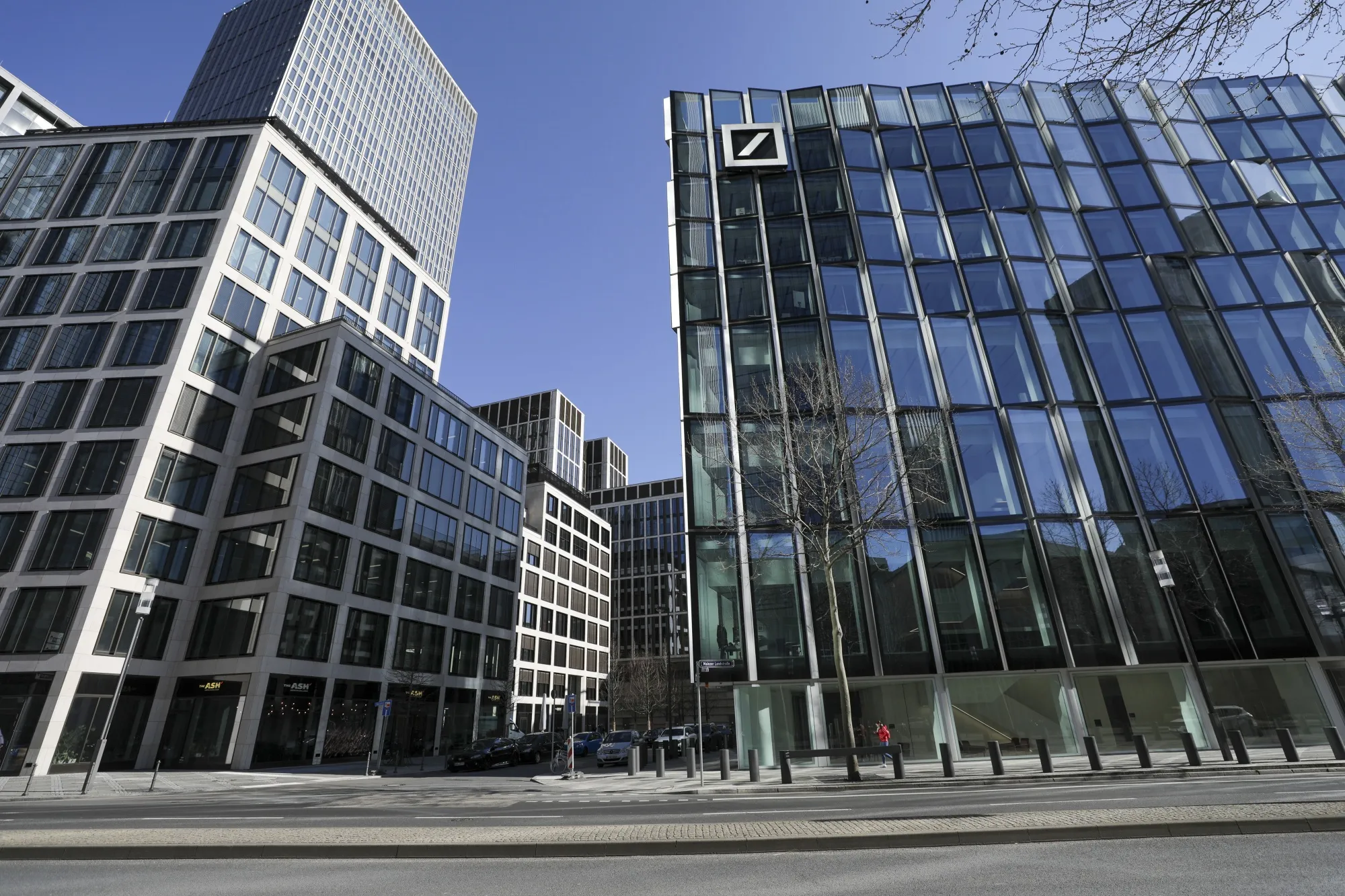
The decision by Deutsche Bank’s asset management arm, DWS, to liquidate one of its significant US property funds marks a notable moment in the broader real estate investment landscape. This move, driven by a persistent wave of redemption requests from investors, reflects the challenging environment many property funds have faced over the past year and a half. While DWS has not publicly disclosed the exact value of the fund being closed, industry estimates suggest it managed billions in assets, underscoring the scale of this unwinding.
For months, institutional and retail investors alike have been re-evaluating their positions in illiquid assets like real estate, particularly as interest rates climbed and the outlook for commercial property softened. This broader trend has put considerable strain on open-ended property funds, which typically offer daily or monthly liquidity but invest in assets that cannot be quickly sold without significant discounts. DWS, like many of its peers, had already implemented gates and restrictions on withdrawals from some of its funds to manage the outflow, a common tactic when liquidity becomes constrained. The ultimate decision to liquidate, however, signals that these measures were insufficient to stem the tide.
The fund in question primarily held a diversified portfolio of commercial properties across the United States, including office buildings, retail centers, and industrial assets. The challenges in the office sector, in particular, have been widely documented, with vacancy rates rising and property valuations under pressure in many major cities. While other segments, such as logistics and data centers, have shown more resilience, the overall sentiment towards commercial real estate has remained cautious. This market backdrop inevitably influenced investors’ decisions to pull capital, seeking safer or more liquid alternatives.
This situation is not unique to DWS. Several other major asset managers operating in the US and European markets have grappled with similar redemption pressures on their open-ended real estate funds. Some have also resorted to asset sales, sometimes at a discount, to meet investor demands, while others have extended redemption gates or even initiated managed wind-downs. The current environment highlights a fundamental tension in open-ended property fund structures: the promise of liquidity versus the inherent illiquidity of the underlying assets. When market conditions sour and investor confidence wanes, this structural mismatch can become acutely problematic.
Looking ahead, the liquidation process for the DWS fund will involve the systematic sale of its underlying properties, with proceeds distributed back to investors over time. This process can be lengthy, often spanning several quarters or even years, depending on market conditions and the size and complexity of the portfolio. The timing of these sales will be critical, as DWS will aim to maximize returns for exiting investors while navigating a market that remains sensitive to large-scale dispositions. This event serves as a stark reminder of the cyclical nature of real estate investment and the importance of aligning fund structures with market realities.
