

The ongoing conflict in Ukraine, coupled with heightened tensions in the Middle East, presents a complex challenge for American foreign policy, particularly concerning Russia’s strategic ambitions. For Moscow, the recent events in Iran have delivered an unexpected advantage, driving up oil prices and diverting American attention and resources. This geopolitical shift has led some observers to suggest that Russian President Vladimir Putin might feel emboldened to escalate aggression in Ukraine, potentially viewing the current global landscape as an opportune moment to press his advantage without significant pushback. The prospect of Russia intensifying its efforts to undermine NATO, destabilize Europe, and threaten its smaller neighbors remains a significant concern, especially given its continued attempts to influence Western elections and engage in cyber warfare.
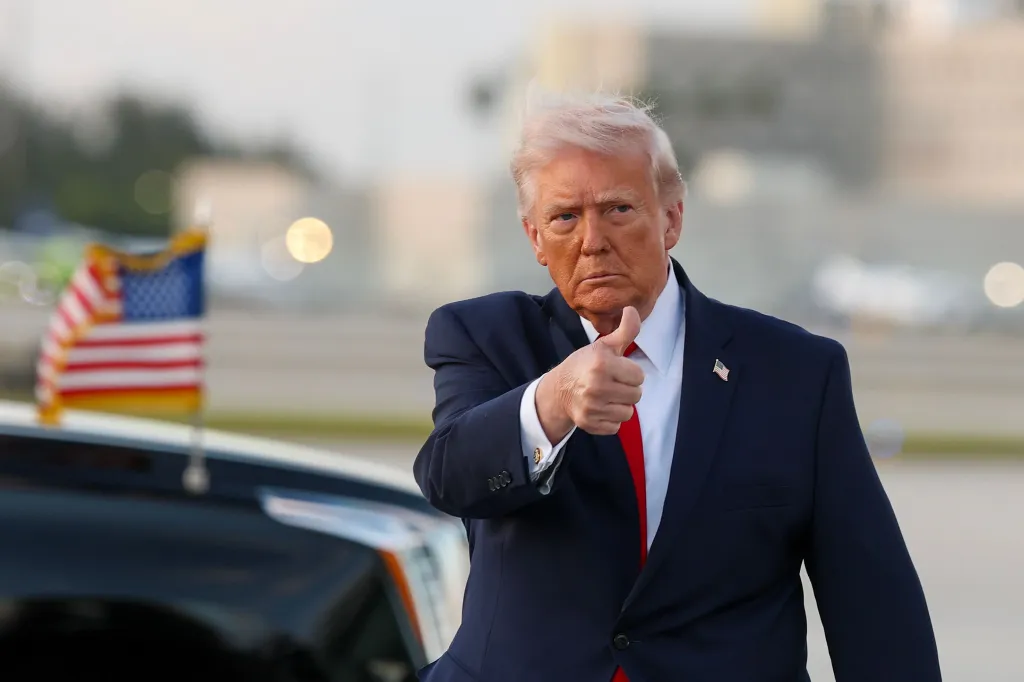
President Donald Trump has previously shown an affinity for historical foreign policy frameworks, notably endorsing and rebranding the Monroe Doctrine as the “Donroe Doctrine” to assert American influence in the Western Hemisphere. This approach demonstrated how adapting established doctrines to contemporary circumstances could rally domestic support and signal resolve to adversaries. Now, a similar call is emerging for Europe, suggesting that the current environment necessitates a clear articulation of American intent, one rooted in another pivotal moment in U.S. diplomatic history: the Truman Doctrine.
The original Truman Doctrine, articulated in a 1947 speech to Congress, was a direct response to Soviet expansionism in post-World War II Europe. At that time, the Soviet Union occupied several Eastern and Central European nations, with its security services actively destabilizing others. Despite some voices in Washington advocating for continued cooperation with Joseph Stalin, President Truman believed firmly that a softer American stance would only encourage further Soviet aggression. His declaration that “it must be the policy of the United States to support free peoples who are resisting attempted subjugation by armed minorities or by outside pressures” garnered bipartisan support and substantial resources, effectively laying the groundwork for containing Soviet influence.
Today, while the specifics of the global arena have evolved dramatically, the underlying principle of confronting aggressive authoritarianism retains its relevance. Russia’s persistent efforts to undermine a just peace in Ukraine, its continued military posturing, and its nuclear threats underscore a sustained appetite for aggression. Furthermore, reports from allied intelligence services indicate that Russia has been providing Iran with intelligence to target U.S. assets, including a particularly damaging attack on an American AWACS plane at a Saudi base. These actions suggest that current U.S. deterrents have had limited effect on Russian behavior.
Reviving a framework akin to the Truman Doctrine would offer a powerful signal of American commitment to European security, even amidst other global engagements. It would visibly demonstrate that the U.S. remains focused on countering Russian aggression and continues to value its NATO alliances. Such a declaration could provide the moral and strategic foundation for increased military support to Ukraine, potentially targeting Russian oil infrastructure which funds the conflict and enhancing the provision of longer-range weaponry. Just as the Monroe Doctrine, initially backed by the British Royal Navy, derived its strength from shared interests with allies, a renewed Truman Doctrine would similarly rely on robust international partnerships to secure Europe and the broader democratic world.
The moment for such a bold move appears pressing. The architecture for a decisive American stance is already familiar through historical precedent, and President Trump’s own previous embrace of historical doctrines provides a pathway. Strong leadership grounded in clear principles has the potential to mobilize greater public and political support, both domestically and internationally, for confronting Russian aggression in Ukraine and other global security threats. Applying the enduring principles of the Truman Doctrine to the current geopolitical landscape could demonstrate a willingness to address a challenge that is likely to persist long after the immediate crises of today have subsided.
