

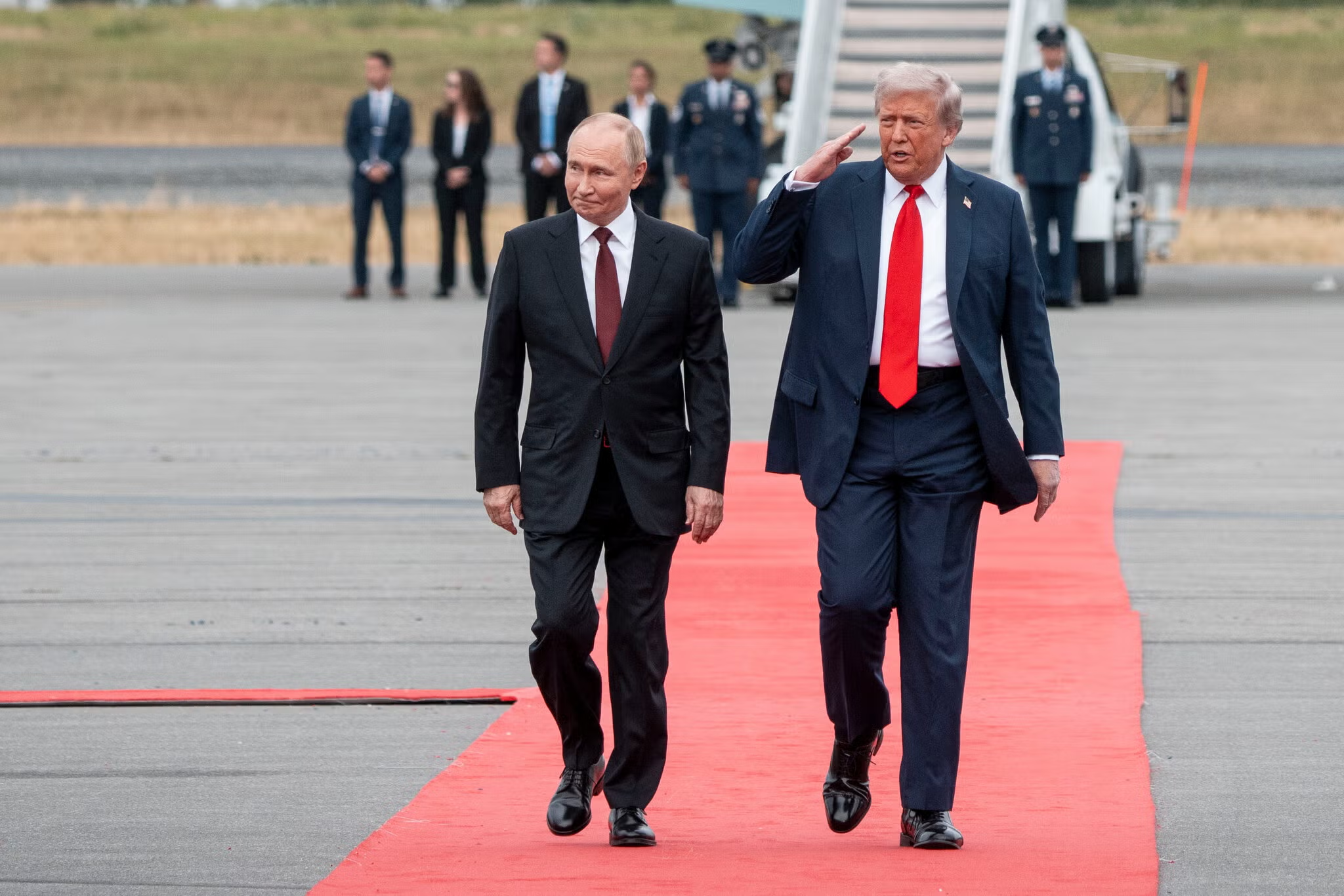
President Trump signed an executive order Friday waiving a sweeping new sanctions package on Russia just two days before it was set to take effect, a move that drew criticism from Ukraine and was welcomed by Moscow.
The sanctions stemmed from the Lindsey O. Graham Sanctioning Russia and Iran Act of 2026, which Trump himself signed into law last month. The legislation would have imposed tariffs of up to 500% on Russian goods and up to 100% on imports from countries that knowingly continued purchasing Russian crude oil and gas 30 days after the law took effect.
Trump’s executive order suspends those major measures under the act, citing US national interests as the justification, though it stops short of lifting the broader, pre-existing sanctions regime the US maintains against Russia.
The move follows a separate deal Trump struck with Russian President Vladimir Putin in which the Kremlin agreed to eventually release millions of tons of diesel into global markets amid soaring prices, part of a broader pattern of the administration prioritizing energy price stability in its dealings with Moscow even as it maintains a formal sanctions framework on paper.
The waiver adds to a growing list of moves by the Trump administration that critics argue soften pressure on Russia even as Congress continues passing sanctions legislation aimed at increasing it, underscoring a widening gap between the legislative branch's approach to Russia and the executive branch's willingness to use waiver authority to blunt its effect.