

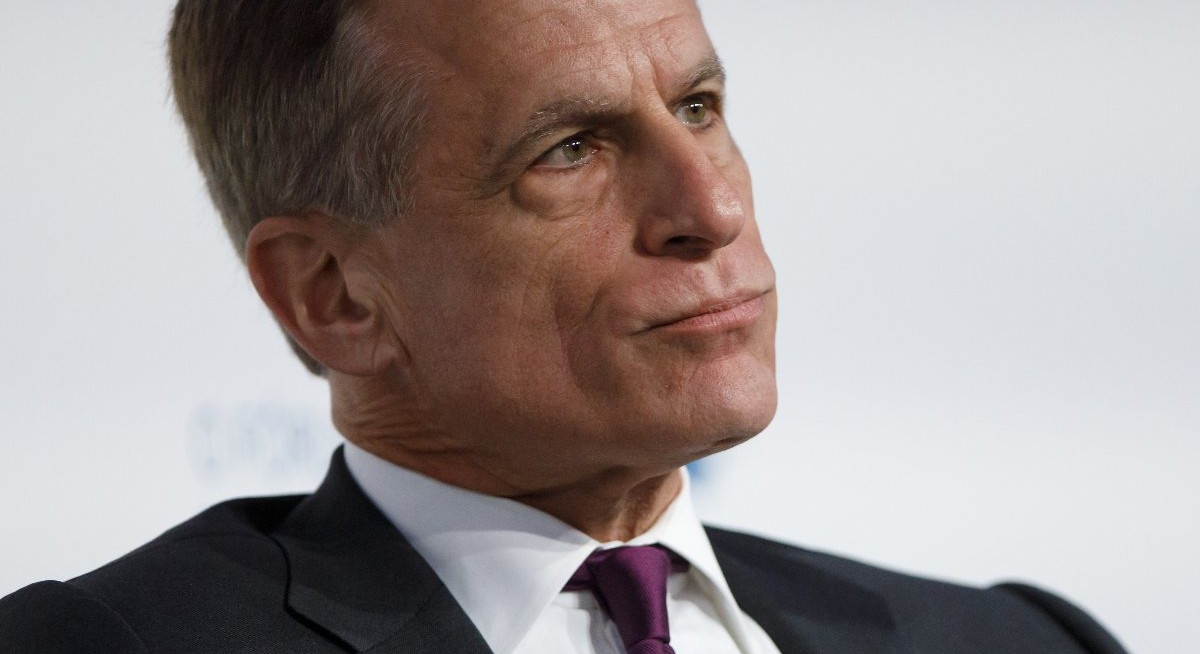
Former Dallas Federal Reserve President Robert Kaplan recently articulated a compelling argument for the Federal Reserve to adopt a stance of deliberate inaction in the current economic climate. Speaking to a financial news outlet, Kaplan suggested that the central bank should resist the urge to further adjust interest rates, advocating instead for a period of observation as the effects of previous monetary policy tightening continue to ripple through the global economy. His perspective emerges at a critical juncture, with inflation showing signs of moderating but economic growth simultaneously facing headwinds.
Kaplan’s commentary underscores a growing sentiment among some financial observers that the Fed has already implemented substantial changes, and that the full impact of these adjustments may not yet be entirely visible. He highlighted the significant lag inherent in monetary policy, where decisions made today can take months, if not longer, to fully manifest in economic data. For Kaplan, this lag dictates a cautious approach, allowing policymakers to thoroughly assess incoming information before committing to another shift. His argument is rooted in the belief that an overly aggressive or reactive policy could inadvertently destabilize an economy still navigating the complexities of post-pandemic recovery and geopolitical tensions.
The former Fed official also pointed to specific economic indicators that, in his view, support a wait-and-see strategy. He noted the slowing pace of consumer spending in certain sectors and the gradual cooling of the labor market, suggesting these trends indicate that higher interest rates are indeed having their intended effect. Furthermore, Kaplan subtly referenced the global economic landscape, where many central banks are grappling with similar inflationary pressures and growth concerns. Unilateral or hasty moves by the Federal Reserve, he implied, could have unintended consequences for international markets and trade relationships, adding another layer of complexity to an already intricate situation.
Goldman Sachs, Kaplan’s current affiliation as a senior advisor, has often provided nuanced economic outlooks, and Kaplan’s remarks align with a broader cautious tone sometimes expressed by the institution regarding monetary policy. His counsel to “do nothing for this moment” is less about complacency and more about strategic patience. It reflects a nuanced understanding of the delicate balance required to tame inflation without inadvertently pushing the economy into an unnecessary downturn. The challenge for the Fed lies in distinguishing between transient economic fluctuations and more persistent trends, a task made even harder by the unique circumstances of the present era.
Ultimately, Kaplan’s recommendation serves as a potent reminder that monetary policy is not merely a series of rate hikes or cuts, but a carefully considered strategy involving foresight, data analysis, and a measure of restraint. As the Federal Open Market Committee continues its deliberations, his voice adds to the chorus of diverse opinions shaping the future trajectory of the world’s largest economy. Whether the Fed ultimately adopts his advised pause remains to be seen, but the rationale behind it offers a compelling argument for prudence in an unpredictable economic environment.
