

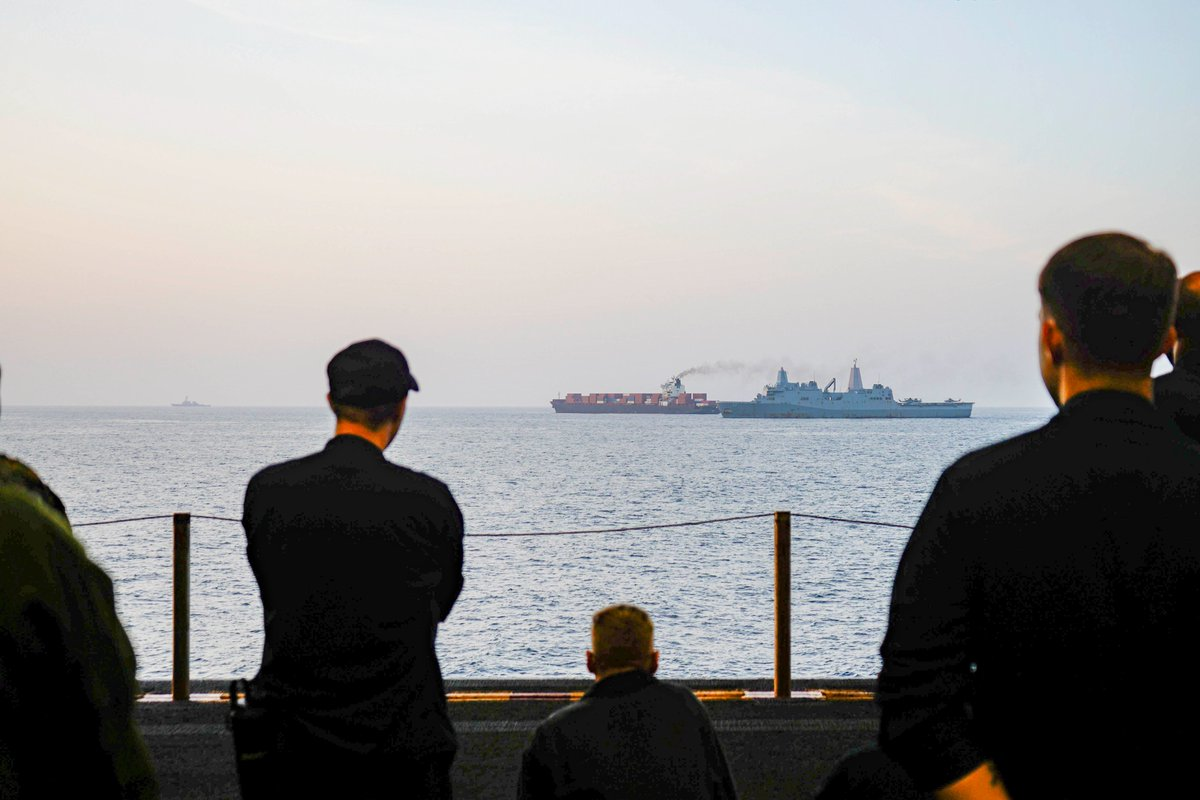
The imagery broadcast on Iranian state television recently presented a stark depiction of naval operations, showing what was described as the Iranian Navy seizing commercial ships in the Strait of Hormuz. These videos, disseminated widely, offered a rare glimpse into the tactical maneuvers and assertiveness that have characterized a series of encounters in one of the world’s most critical maritime chokepoints. The footage typically features fast-moving interceptor boats approaching larger tankers, often with armed personnel visible on deck, underscoring the readiness of Iranian forces to enforce their presence in the strategic waterway.
Such broadcasts from Iran’s state media apparatus are not merely news reports; they are carefully curated messages intended for both domestic and international audiences. Domestically, they reinforce a narrative of national strength and sovereignty, particularly in the face of ongoing international sanctions and geopolitical pressures. For an international viewership, these videos serve as a clear signal regarding Iran’s capacity and willingness to project power in a region vital for global energy supplies. The Strait of Hormuz, through which a significant portion of the world’s seaborne oil passes daily, remains a focal point for these demonstrations of naval capability.
The geopolitical implications of these seizures, and their subsequent broadcast, are manifold. They often lead to immediate increases in insurance premiums for vessels traversing the area and can introduce volatility into global oil markets. International shipping associations and navies from various nations, including the United States, have frequently voiced concerns over what they describe as unlawful interference with commercial shipping. These incidents often prompt condemnations and calls for adherence to international maritime law, yet the seizures persist, often justified by Iran as responses to alleged violations or as retaliatory actions for previous incidents involving Iranian vessels or assets abroad.
Observers note that the timing of these broadcasts is rarely coincidental. They frequently align with periods of heightened tension between Tehran and Western powers, or during negotiations over issues such as Iran’s nuclear program. By showcasing its naval prowess in the Strait of Hormuz, Iran effectively reminds the international community of its leverage in a region where any disruption to shipping can have far-reaching economic consequences. This strategic communication through state media becomes an integral part of its foreign policy toolkit, allowing it to exert pressure without necessarily escalating to direct military conflict on a larger scale.
The specific details surrounding each seizure, as depicted in the state TV videos, often vary. Sometimes, the vessels are accused of polluting, other times of violating Iranian territorial waters, or even of participating in smuggling operations. However, international maritime bodies often dispute these claims, asserting that the vessels were operating in international waters and in accordance with established maritime protocols. The discrepancy between these narratives highlights the complex and often contested legal framework governing passage through the Strait of Hormuz, a body of water where international law and regional geopolitical realities frequently clash.
Ultimately, the repeated airing of such footage by Iran’s state television channels underscores a consistent strategy. It aims to project an image of unwavering control and decisive action in a critical maritime corridor. This visual narrative serves as a powerful reminder of the delicate balance of power in the Persian Gulf and the potential for even seemingly isolated incidents to ripple across global economic and political landscapes. The world watches these broadcasts, understanding that they are more than just news; they are statements of intent.
