
Howard Hughes Holdings Inc. is shifting from a real estate company that bought an insurer into an insurance company that still owns a lot of real estate. The latest step in that transformation involves selling parts of the property portfolio that built the company.
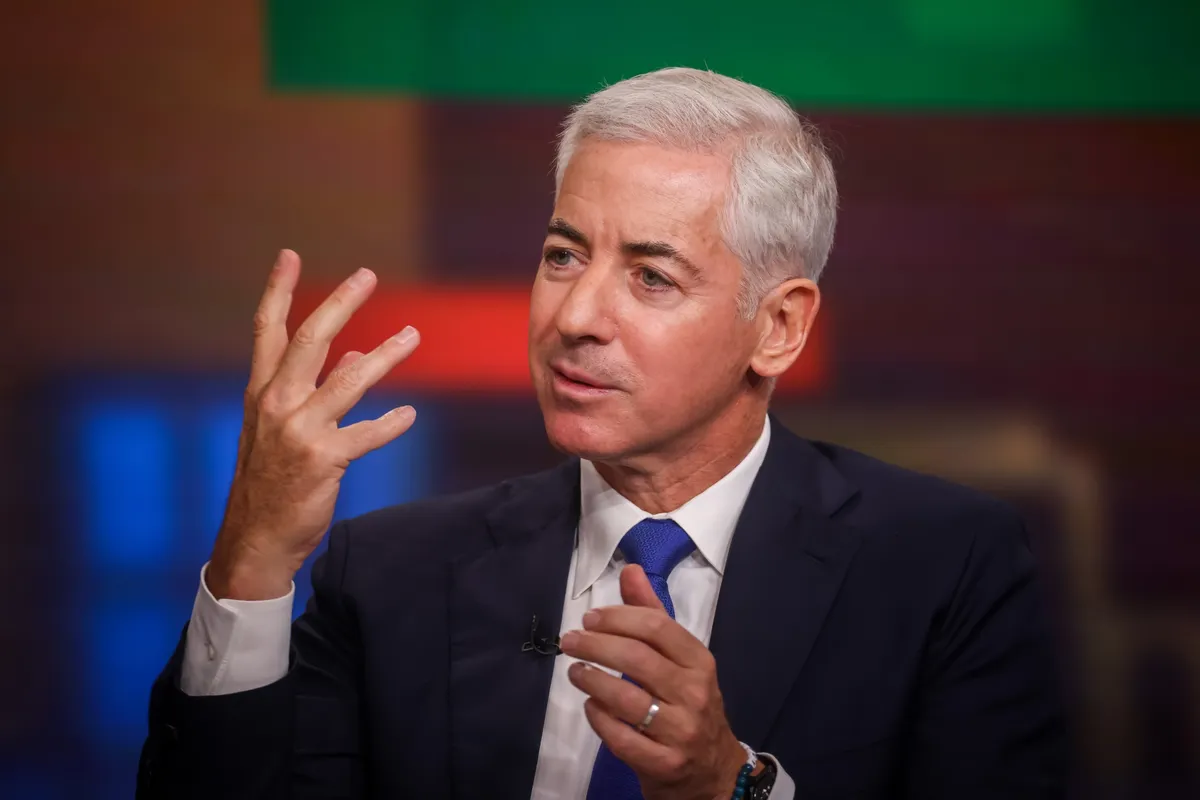
Executive Chairman Bill Ackman, whose Pershing Square Capital Management owns 47% of Howard Hughes shares, told analysts on Friday that the company has already received offers for major assets since it laid out the new strategy in September. He expects the first transactions to close within about three months and aims to generate what he called “a couple billion” dollars in proceeds by the end of 2027.
From property developer to insurance-focused holding company
Howard Hughes made its name as a developer and operator of master-planned communities and other US properties. Under Ackman, it is trying to become a diversified holding company modeled on Berkshire Hathaway, using insurance as its core engine rather than real estate.
The centerpiece of that plan is Vantage Group Holdings Ltd., a specialty insurer and reinsurer Howard Hughes acquired for roughly $2.1 billion. The deal closed in June 2026 and gave Ackman a platform to underwrite risk and generate float, much as Warren Buffett built Berkshire around insurance operations.
Bringing in partners to free up cash
To fund Vantage without selling everything, Howard Hughes plans to bring in outside investors as partners on select properties. Ackman said the list of potential partners includes pension plans and family offices. The structure would let the company keep some exposure to its real estate while converting equity into cash that can be redeployed into insurance.
“It’s really going to look like a Vantage insurance company that has a real estate subsidiary, as opposed to a real estate company that has a Vantage subsidiary,” Ackman said.
Land sales remain a cash engine
Chief Executive Officer David O’Reilly pointed to land sales at Teravalis, a 37,000-acre master-planned community west of Phoenix, as an example of the value embedded in the portfolio. The company has been selling lots there for more than $700,000 per acre after buying the land about five years ago for roughly $17,000 an acre.
Demand is being lifted by the nearby Taiwan Semiconductor Manufacturing Co. campus, a $265 billion project that is drawing workers and housing needs to the area. O'Reilly described the land as "the precious resource that homebuilders need to keep their machine going."
Proceeds will retire preferred stock and grow Vantage
The capital raised from asset sales and partnerships is expected to serve several purposes. Howard Hughes intends to retire roughly $1 billion of preferred shares held by Pershing Square, which helped finance the Vantage acquisition. It also plans to invest in Vantage's growth and continue developing existing communities.
The strategy shift comes after a third quarter that missed analyst estimates, sending the stock down as much as 5.2% on Friday. By late afternoon in New York, shares traded at $77.08, off 1.2%.
A Buffett-style playbook, with Ackman's twist
Ackman has long described his ambition to build a modern version of Berkshire Hathaway. The Howard Hughes model combines permanent capital, a public-market listing, and now an insurance float engine. The difference is that Berkshire was built over decades through retained earnings and stock purchases; Ackman is trying to restructure an existing real estate company in a much shorter time frame.
For investors, the question is whether the real estate sales and partner capital can fund Vantage quickly enough to justify the strategic pivot. The offers Ackman says are already coming in suggest the market is at least willing to test the idea.