

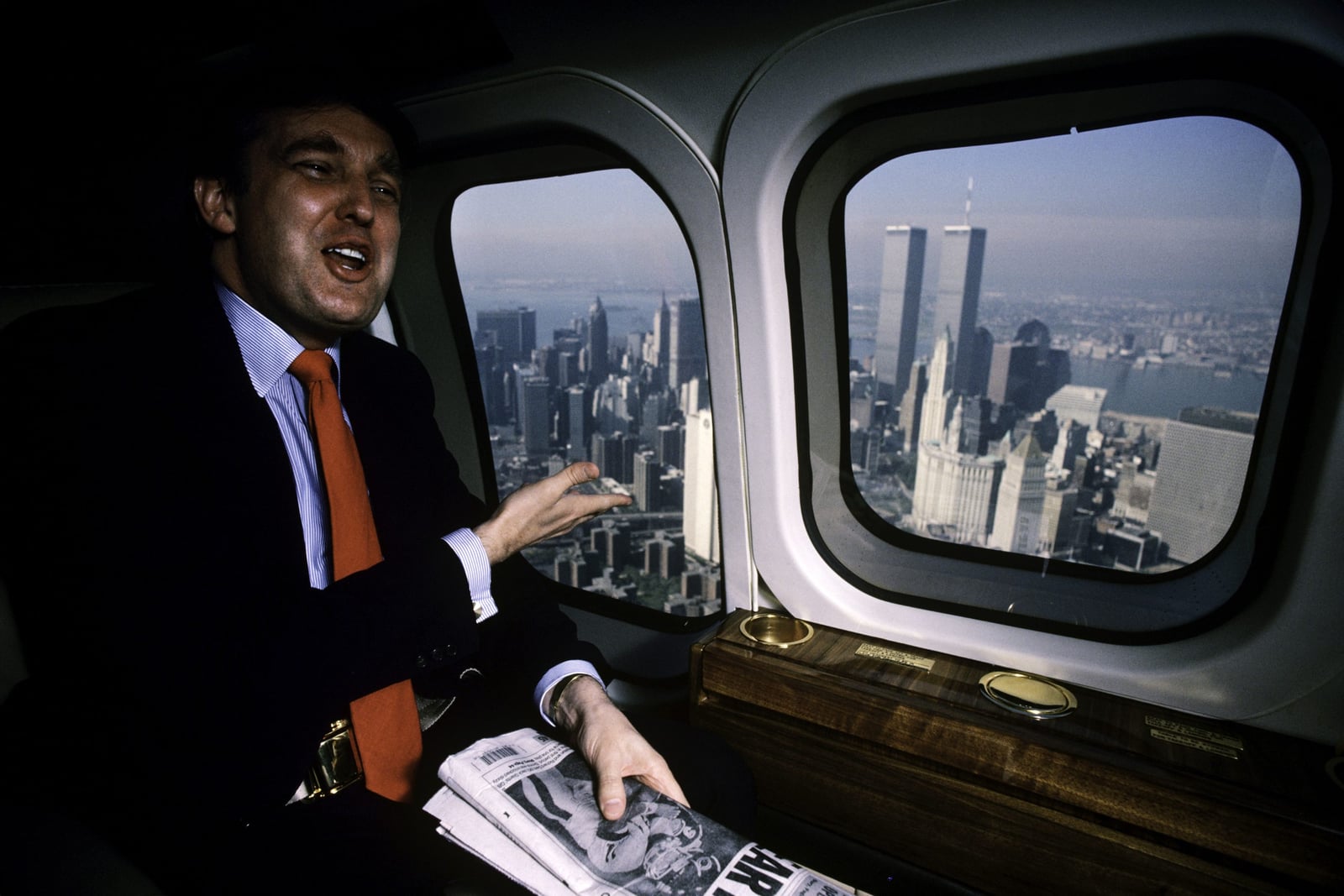
For the first time in U.S. history, the White House and both chambers of Congress may soon be led by people who grew up within a few miles of one another in New York City. President Donald Trump hails from Queens, while Senate Majority Leader Chuck Schumer and likely House Speaker Hakeem Jeffries both come from Brooklyn.
A tri-borough grip on power
The three men grew up within about 11 miles of one another. Trump was raised in Jamaica Estates, Queens, while Schumer and Jeffries were born just a few miles apart in Midwood and Crown Heights, Brooklyn. If Jeffries wins the speaker’s gavel in January, he would be the first House speaker from New York City, the first Black speaker, and the first New Yorker to hold the post in nearly 160 years.
The last time both the House and Senate were led by people from the same state was in 1961, when Texans Sam Rayburn and Lyndon Johnson held the top jobs. New York came close in 2018, when Queens Democrat Joe Crowley was seen as a likely successor to Nancy Pelosi, but Alexandria Ocasio-Cortez defeated him in a primary and Jeffries eventually took Crowley’s caucus chair role, putting him on the path to the speakership.
What New York wants
Governor Kathy Hochul has made no secret of her optimism. At a pre-election rally in Williamsburg, she described calling Jeffries and Schumer to ask for billions more in federal support for New York. With Democrats in control of both chambers and a president from Queens, the state is hoping for help with long-running priorities.
At the top of the list is Gateway, the $16 billion rail tunnel beneath the Hudson River. The project dates to 2004 and survived the cancellation of an earlier version by New Jersey Governor Chris Christie in 2010. Last fall, Trump froze its funding during a government shutdown, though a federal judge blocked the freeze in July. New York is also pushing Sunnyside Yard, a plan to build 12,000 homes over a Queens rail yard that the mayor’s office says would need more than $21 billion in federal grants. Trump discussed the project with Mayor Zohran Mamdani during a September visit to Gracie Mansion and signaled he might be open to federal support.
Other priorities include money for the Second Avenue subway extension, relief for more than 20,000 New Yorkers affected by changes to SNAP benefits, and support for more than 400,000 facing Medicaid changes. Representative Gregory Meeks of Queens predicted after the midterms that the state “will get its fair share.”
Lessons from past disappointments
New York knows that influence in Washington does not always translate into help. During the city’s 1975 fiscal crisis, the New York Daily News captured the federal response with a famous headline: “Ford to City: Drop Dead.” After Hurricane Sandy, the state’s congressional delegation sought about $60 billion in aid and received just over $27 billion after a public clash with Texas Senator Ted Cruz. Schumer later supported Cruz’s request for Harvey relief funds.
Former Republican Congressman Pete King of Long Island told the New York Times that the Sandy outcome would have been different if New Yorkers had been in charge. “If you have to have Democrats in charge, as a New Yorker it’s better to have Schumer and Jeffries,” he said.
Beyond the top three
New York’s reach extends well beyond the executive branch and congressional leadership. Environmental Protection Agency Administrator Lee Zeldin is a former Long Island congressman. Senator Kirsten Gillibrand leads the Democratic Party’s Senate campaign arm. Representative Alexandria Ocasio-Cortez, born in the Bronx and representing Queens, is reportedly weighing a 2028 presidential run or a Senate bid.
On the judiciary, two Supreme Court justices were born in New York City: Sonia Sotomayor in the Bronx and Elena Kagan in Manhattan. Chief Justice John Roberts was born in Buffalo, and Federal Reserve Chair Kevin Warsh, who took over the central bank in May, was born in Albany.
What happens next
The concentration of hometown power is unprecedented, but it is no guarantee of results. Trump, Schumer, and Jeffries belong to opposing parties and have often been at odds. Still, for a city that has frequently felt shortchanged by Washington, the moment offers a rare chance to shape the federal agenda. Whether New York can turn outer-borough connections into concrete funding will depend on whether political rivals can find common ground on infrastructure, housing, and aid.