

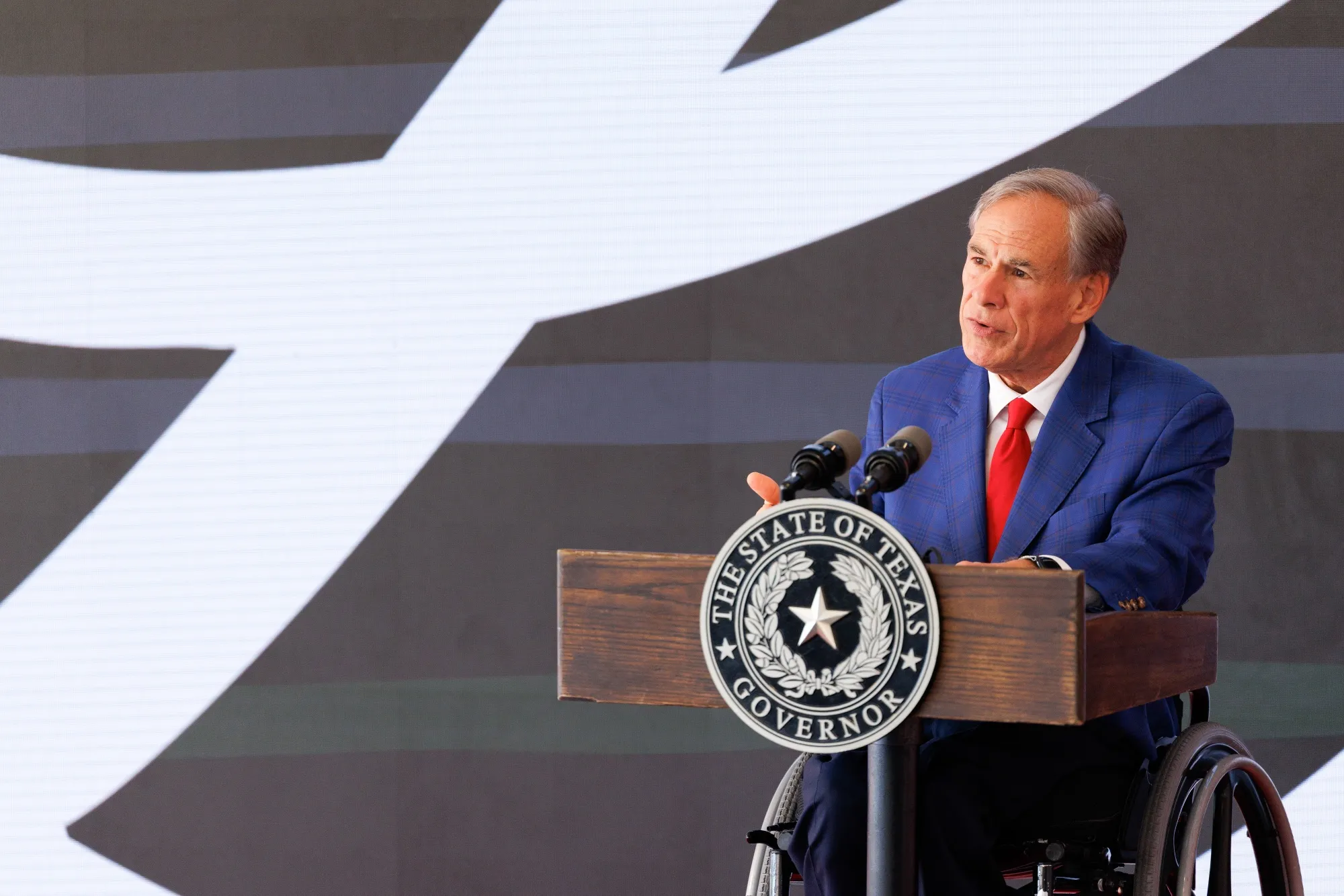
Texas Governor Greg Abbott has ordered a temporary pause in state permits for new data center construction, a sharp reversal from the posture he held barely a year ago, when he called Texas the epicenter of AI development and stood alongside Google to announce a $40 billion investment across three data center campuses in the state.
The shift has come with blunt language attached. Abbott has said data center companies dug their own grave and deserve the backlash they’re now facing, framing the pause not as a routine regulatory pullback but as a direct response to how the industry handled its rapid buildout across the state.
The mechanics of the pause are concrete. Abbott directed a state environmental regulator to halt new permits until the Electric Reliability Council of Texas, the state’s grid operator, completes an audit of data centers awaiting approval to connect to the power grid. Texas has gone further still, suspending construction permits for 17 active data center projects and disabling the web portal that had been automatically processing new permit filings, after the system kept issuing approvals for roughly a month even after officials called for the process to stop.
Public opinion is the backdrop driving the political math. A Texas Politics Project poll found 57% of voters opposed building a data center in their own community, with the leading concerns centered on electricity prices, water availability, environmental effects and noise, the kind of everyday quality-of-life complaints that tend to translate directly into election-year pressure.
That pressure has arrived at a politically inconvenient moment for Abbott, with his reelection race tighter than expected. A data center buildout he once championed as an economic win has become a liability to manage rather than a talking point to campaign on, a reversal playing out in states across the country as the costs of AI infrastructure, grid strain, water usage, rising local electricity prices, become visible to voters faster than the economic benefits do.
The pause doesn't kill the Texas data center boom outright; it freezes new approvals pending the grid audit rather than canceling existing projects. But the shift in tone from the state's own governor, from courting the industry as an economic engine to publicly blaming it for the backlash, marks one of the clearest signs yet that the political cost-benefit calculation around AI infrastructure has genuinely changed, not just in rhetoric but in actual state policy.